
The 9 Hottest Home Decor Trends to Try Right Now (And How to Make Them Yours)

I helped a client pack up $800 worth of decor last Saturday. Three boxes. Less than three years old. She looked at me and said, "How do I stop doing this?"
The honest answer is not complicated: stop buying things because they look good on a 4-inch phone screen. A phone camera flatters everything. A physical room does not.
These nine trends are defining 2026. Some of them are worth committing to. A few I would personally skip. Here is what you actually need to know before you spend anything.
1. Biophilic design (It's not about buying a plant)
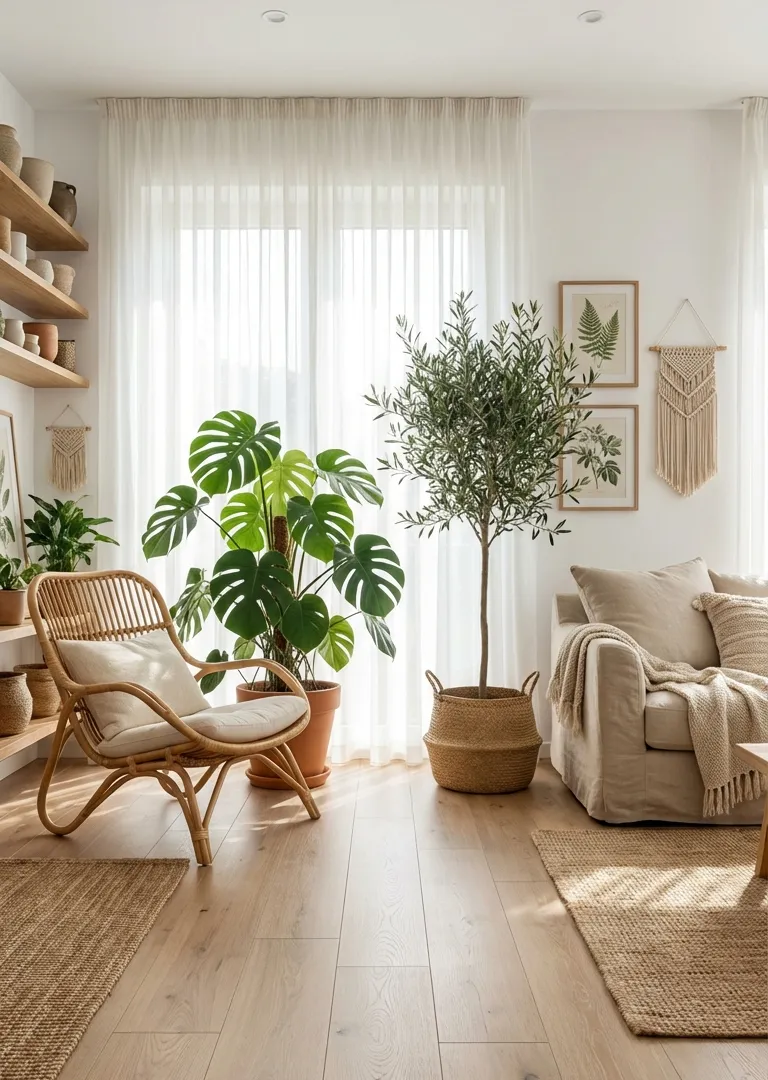
Most people hear "biophilic design" and immediately go buy a fiddle-leaf fig. That is not what this is. True biophilic design means:
- Maximizing natural light first — remove heavy blinds before buying anything.
- Using unsealed, raw materials: natural stone, heavily grained solid wood, unfinished linen.
- Incorporating organic shapes that interrupt the right angles most rooms are built from.
- Choosing plants that match your actual climate, not the ones that photograph well.
I killed three expensive indoor trees before I admitted that a tropical plant will not survive a dark, dry Pacific Northwest hallway in January. If you do not have decent natural light, skip the plants entirely. Focus on raw wood textures and maximize window exposure instead — that does more work for less money.
2. Modern Feng Shui (The $500 shortcut you don't need)
A client in Seattle paid a consultant $500 to rearrange her living room. The single actionable result: move the bed away from the door.
You do not need to do that.
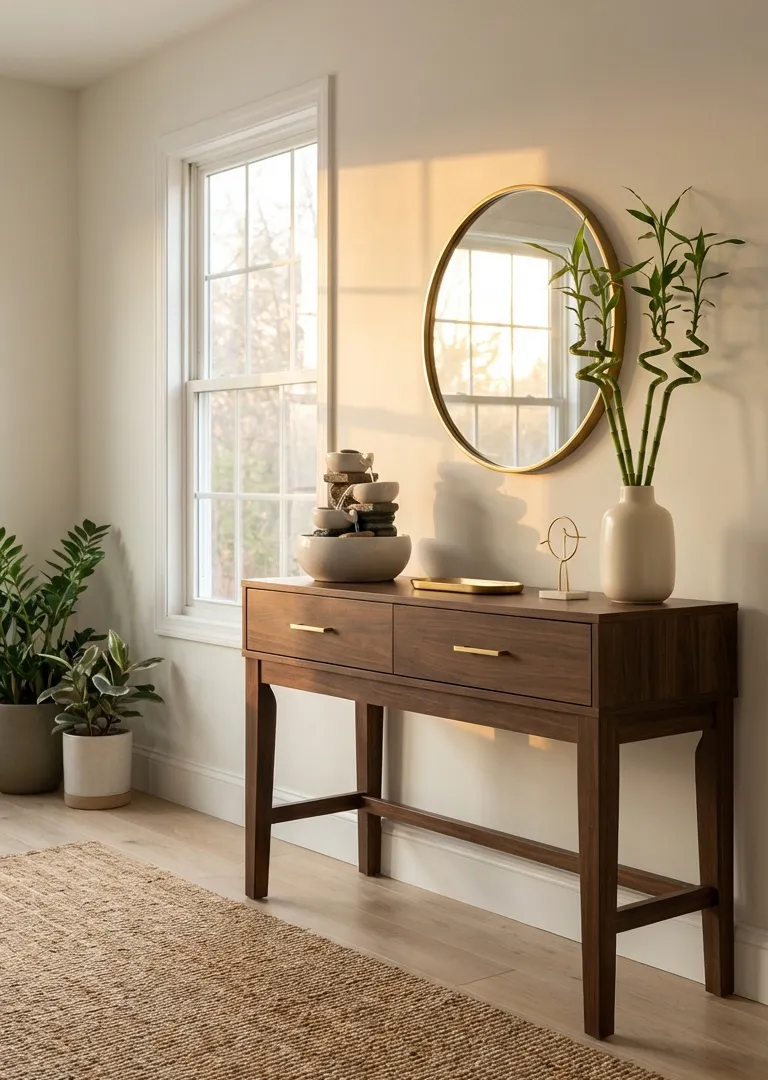
What people actually mean when they say "modern Feng Shui" in 2026 is practical traffic flow. Don't put the back of your sofa directly in the main walkway. Don't let visual clutter hit someone the second they walk in the front door. A room feels balanced when you can walk through it without turning sideways. That's it. That's the whole concept — and it costs nothing to implement.
Start by standing at your front door and looking at what your eye lands on first. If it's a pile of mail or the back of a chair, that's the problem. Solve that before you buy anything new.
3. Soft minimalism (The material mix that makes it livable)
I used to hate minimalism because it felt like a dental clinic. Soft minimalism is the fix — but only if you execute the materials correctly.
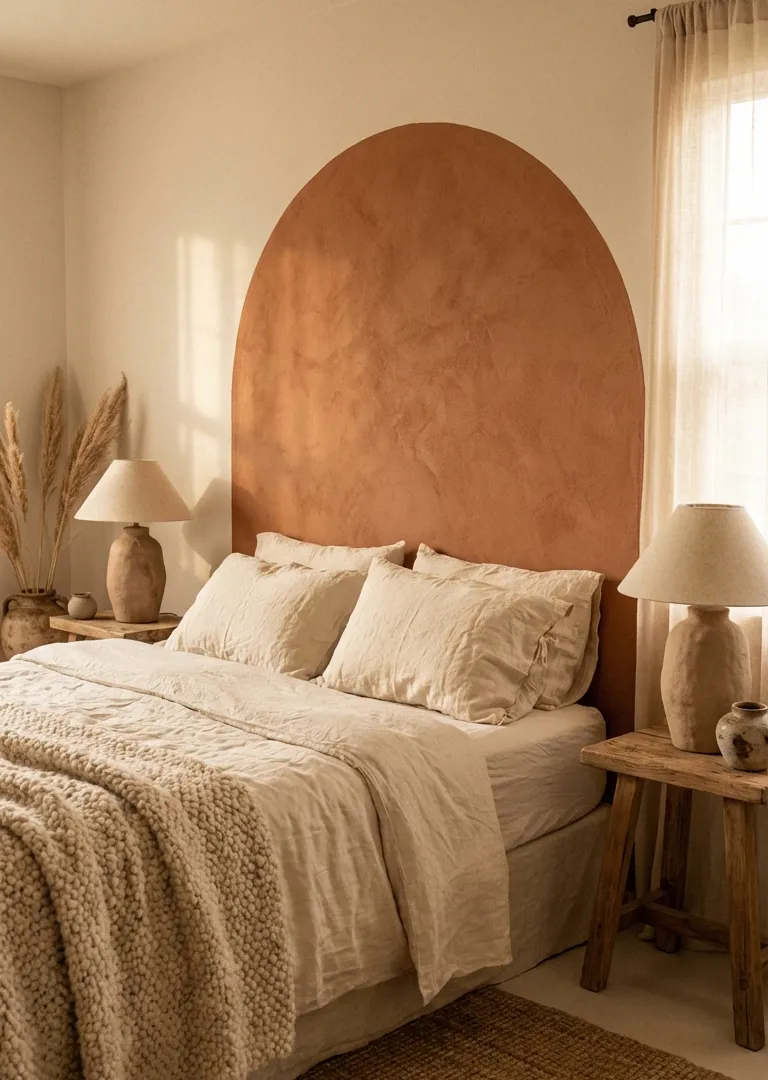
The mistake most people make: they buy a smooth linen sofa and a smooth oak table and wonder why the room feels flat and cold. The entire point of soft minimalism is friction between surfaces. Honed, pitted travertine instead of polished marble. Heavy raw-edge linen instead of synthetic velvet. A roughly woven jute rug instead of a flat wool one. Each surface should feel different when you touch it.
Polished = sterile. Matte and textured = livable. That's the only rule you need.
4. Curated nostalgia (How to mix old and new without it looking like a shop)
My husband has asked me to get rid of my grandmother's heavy brass table lamp at least four times. I refuse every time.
That lamp — ugly by conventional standards, meaningful to me — is exactly what curated nostalgia means in 2026. It's the vintage rug from a trip, the weird ceramic inherited from someone, the art book you actually open. The room feels full of a life actually lived, not assembled from a catalog.
The trick to pulling this off without the room reading as a chaotic antique shop: keep every background element completely neutral. White or cream walls. Natural wood floors. No pattern on the sofa. Let the old, personal, and imperfect objects carry all the color and visual weight. The moment the background starts competing with the objects, everything turns to noise.

5. Japandi (The ergonomic problem nobody talks about)
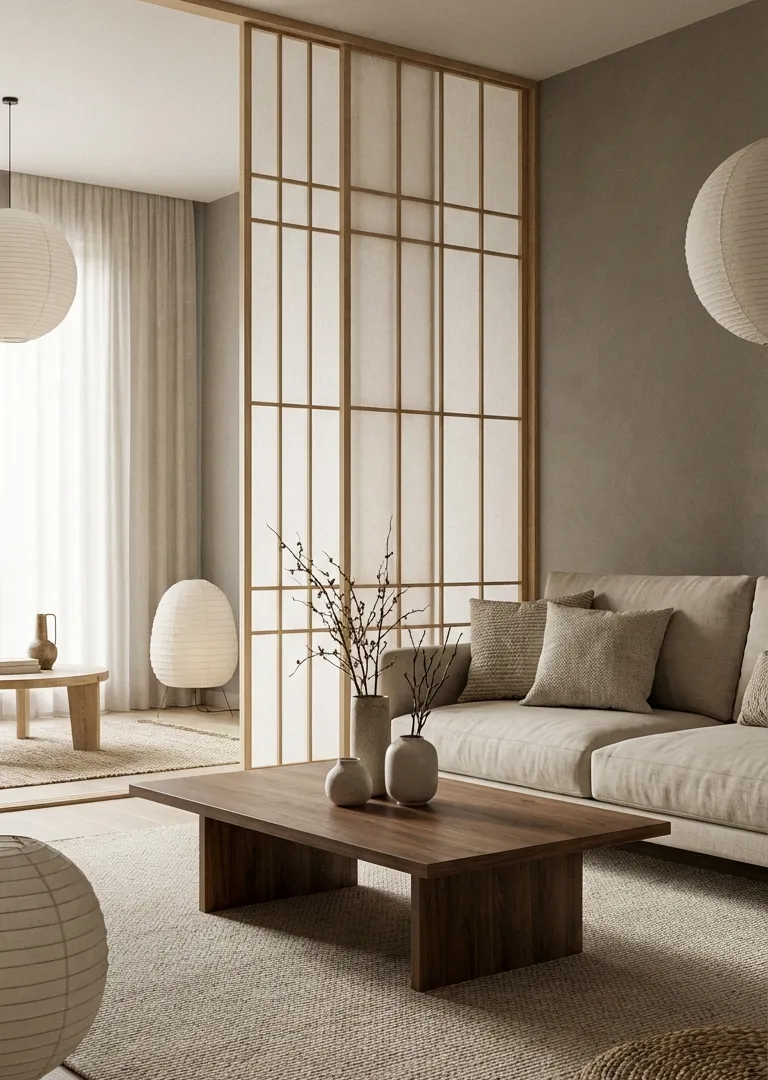
Japandi — Japanese wabi-sabi minimalism crossed with Scandinavian functionality — photographs beautifully. Every magazine spread of it looks calm and considered. In practice, there is one specific issue that nobody seems to mention.
Japandi relies heavily on low-profile furniture. A platform bed that sits 8 inches off the floor looks incredible in photos. It also means stubbing your toe on the extended wooden frame every morning for the rest of your life. A sofa that sits 14 inches off the ground looks elegant. It also gets exhausting to stand up from if you're over 40 or have any knee issues.
My honest advice: take the warm, natural wood tones and the restrained color palette of Japandi, but buy furniture with standard ergonomic seat heights (17–19 inches). You get 90% of the aesthetic and a room you can actually use.
6. Dopamine decor (Intentional, not chaotic)
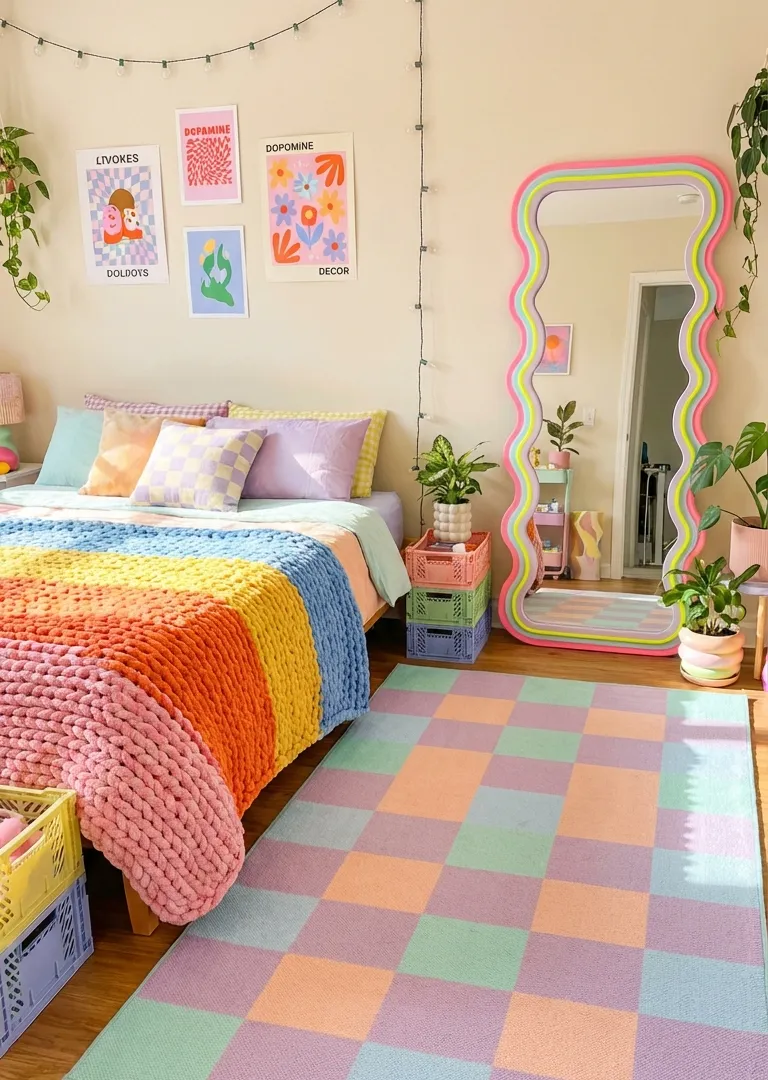
Dopamine decor is not an excuse to buy a hundred brightly colored random objects and cover every surface. That is just hoarding with a trend name attached.
Done well, it's highly specific. One saturated color that genuinely makes you happy — not the color that Instagram told you to like. A cobalt blue kitchen, a terracotta-painted study ceiling, a genuinely weird lamp that makes you smile every time you turn it on. One bold decision, anchored by high-quality neutral furniture so the room still reads as intentional.
The question to ask yourself before committing: does this object make me feel something, or does it just look good in a photo? If it's the latter, put it back.
7. Dark academia (You have to commit to the atmosphere)
I consulted on a home office in Chicago where the owner wanted this look badly. He painted the walls a deep plum — exactly right — then left the harsh overhead LED strip lights on and kept his cheap white plastic IKEA desk. It looked like a bruise.
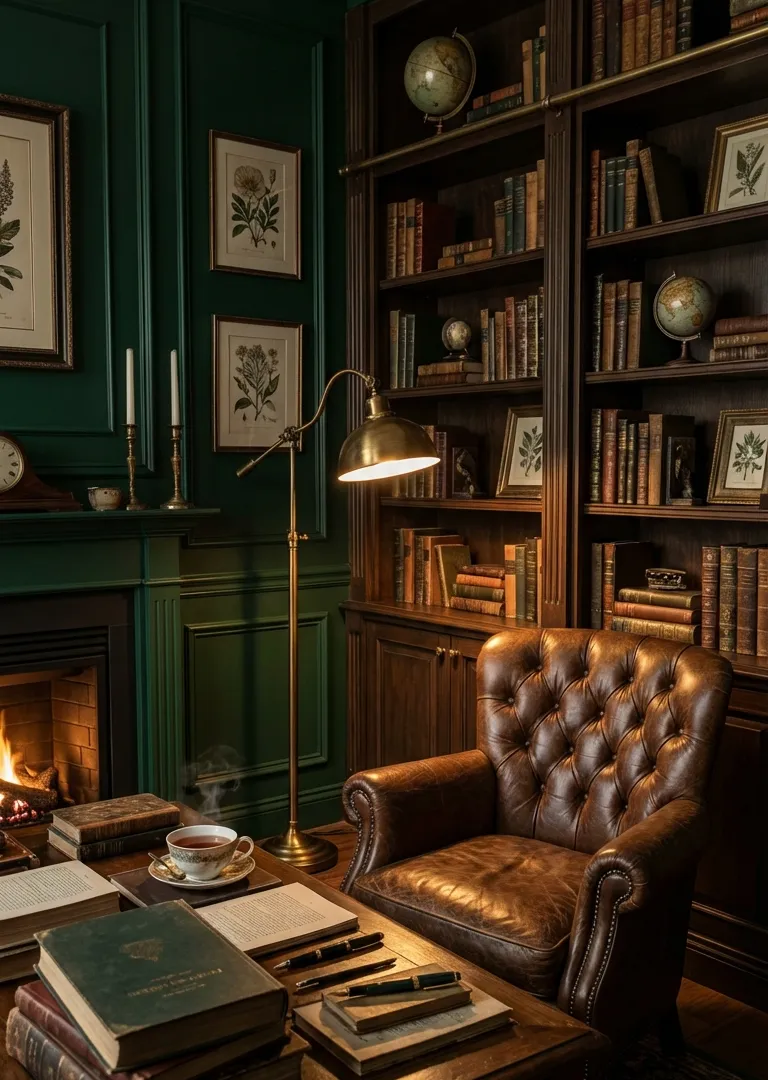
Dark academia only works if you treat it as a complete atmospheric system, not just a paint color.
Deep walls: yes. But also heavy velvet curtains that absorb sound and light. A brass desk lamp with a warm 2700K bulb — not an LED panel. A rug with enough pile to make the room feel quiet. The goal is "quiet corner of an old library," not "dark cubicle." If you nail the lighting, the rest follows. If you keep the overhead LEDs on, no paint color will save you.
8. Modern Mediterranean (Skip the fake texture)
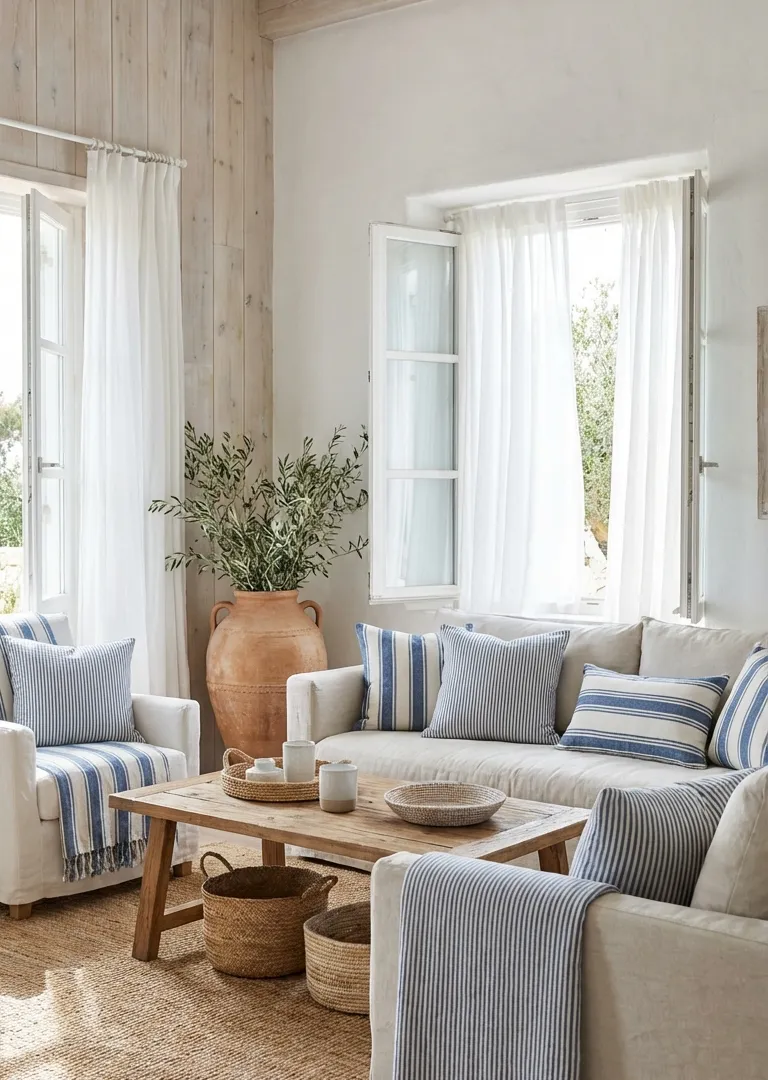
You do not need a villa in Greece. You do need to avoid one very specific shortcut.
I watched a contractor apply thick, heavily textured faux Venetian plaster over standard drywall in a suburban build. It looked like someone had frosted a wall like a birthday cake. Mediterranean texture comes from materials aging naturally — it can't be faked with a trowel technique applied to new drywall.
What actually works: real terracotta tiles, even in small doses (a kitchen backsplash, a bathroom floor). Matte limewash paint instead of thick plaster — limewash is translucent and chalky in a way that reads authentically aged. Unglazed ceramic. Materials that actually weather. Let them do it over time instead of trying to manufacture the effect on day one.
9. The hotel-style bedroom (It's not about throw pillows)
The secret to a hotel bedroom is not a $4,000 mattress or symmetrical nightstands. I have stayed in enough hotels to know the actual difference.
It's acoustic control and light control — and most people get both completely wrong.
Hotels use floor-to-ceiling blackout curtains that run wall-to-wall. Not curtain panels that cover the window. The entire wall. They block street lamps, absorb sound, and make the room feel contained and quiet in a way that no amount of decorative cushions can replicate. Heavy-pile rugs kill echo. A single warm lamp on each nightstand (again, 2700K — this matters) replaces the overhead light completely after 8pm.
Stop worrying about the throw pillows. Get the window treatments right first.
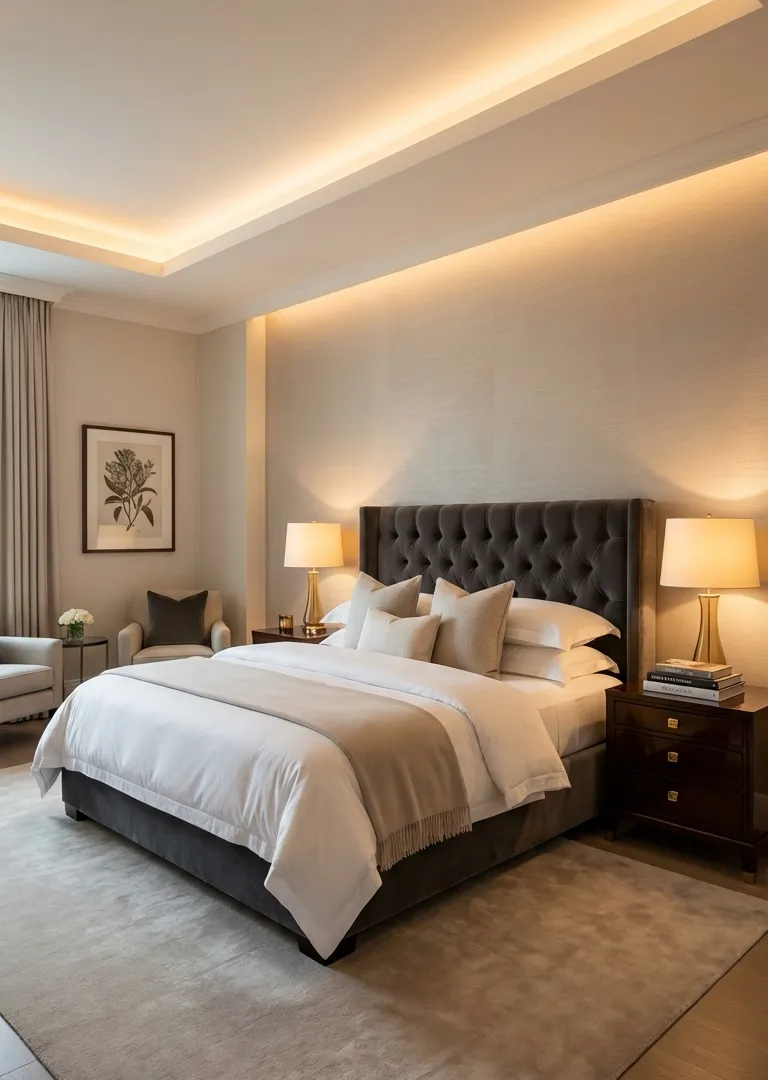
The honest take: Not all nine belong in your home. Biophilic design and soft minimalism are worth serious consideration for almost any room. Modern Mediterranean and dark academia are commitment trends — they either work completely or they look like a mistake. Japandi is beautiful on paper and physically uncomfortable in practice if you don't modify the furniture height. Pick two or three, execute them properly, and ignore the rest.
About the Author: Elena Vance
Interior design enthusiast and DIY expert. Elena Vance has spent over a decade curating spaces that blend modern aesthetics with everyday functionality. Passionate about helping you create a home that tells your unique story.


