
Rustic Garden Decor: The Ultimate 2026 Guide to Creating a Charming, Timeless Outdoor Sanctuary


There is a massive difference between a garden that looks like it has been there for fifty years and a garden that looks like a hardware store display of distressed wood.
Over the past few years, the definition of "rustic" got hijacked. People started buying thin, machine-distressed pine signs and flimsy tin buckets, putting them outside, and watching them warp, split, and rust completely through by the end of October.
True rustic garden decor is not about buying things that look old. It is about buying materials that age honestly. It relies on heavy timber, thick stone, and metals that develop a solid patina rather than disintegrating.
If you want an outdoor space that feels grounded, permanent, and relaxed, you have to build it in layers.
The problem with the "craft store" rustic look
I see this failure mode constantly: someone decides they want a farmhouse-style garden, so they buy a dozen small, decorative wooden items — a little wheelbarrow, a cute painted sign, a thin wire trellis.
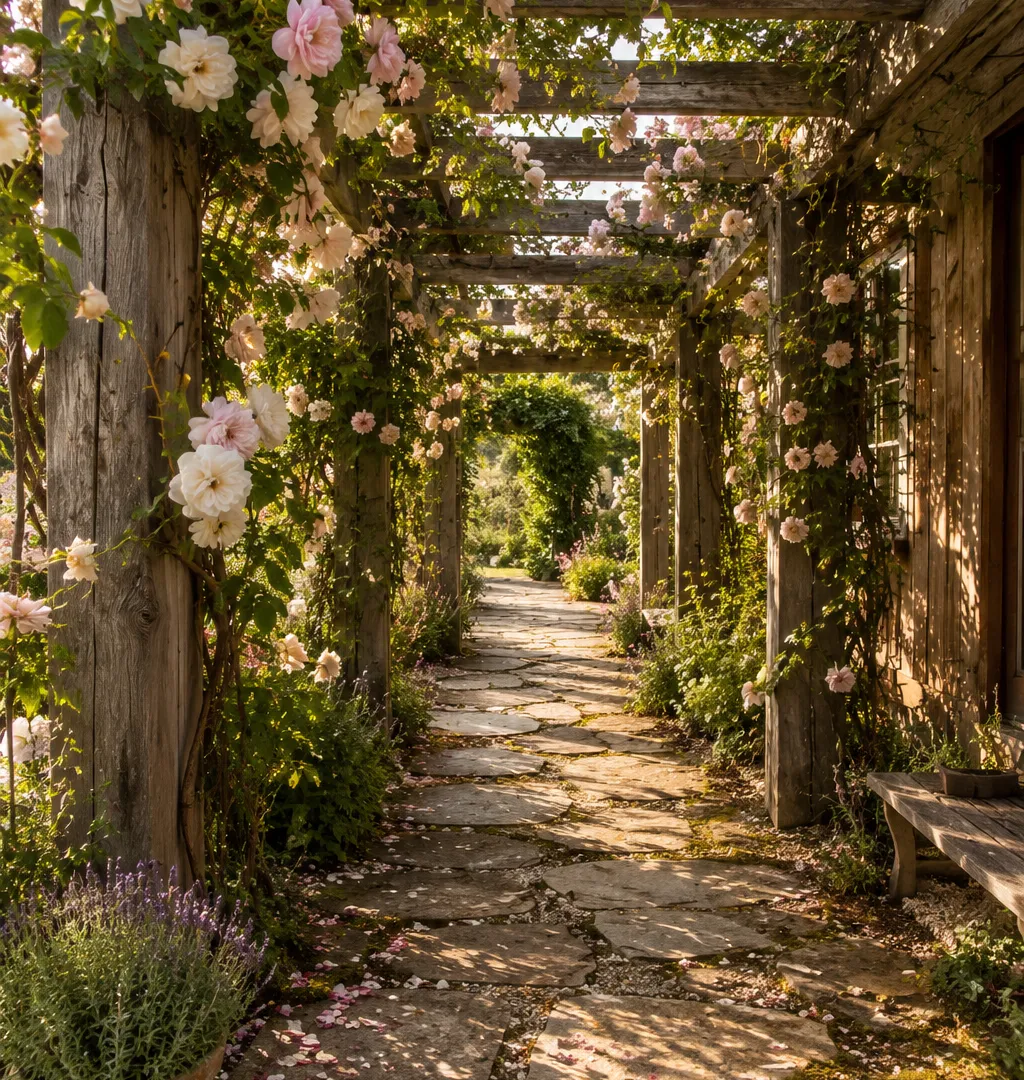
Within one season, the paint flakes off the sign, the wheelbarrow rots at the joints, and the trellis bends under the weight of a wet tomato plant. The garden doesn't look rustic; it looks abandoned.
The rule for outdoor decor is weight. If it feels light in your hands, the wind will knock it over and the rain will destroy it. You need materials with mass. If you want a garden that actually survives the winter, start with these structural choices.
Assess the weather before you buy anything
Most people start by buying plants. That is a mistake. You have to start by measuring your space and understanding what the weather will actually allow you to build.
If your yard faces south and gets ten hours of direct sunlight, any dark-stained wood you install will bake, crack, and fade within three years. If you live in a damp, rainy climate like the Pacific Northwest, untreated wood sitting directly on the soil will rot in a single season.
Take a notebook outside. Note where the water pools after a heavy rain—you cannot place a wooden bench there. Note the wind corridors. A tall, thin metal windmill looks great in a catalog, but if your yard acts as a wind tunnel, it will blow over and damage your siding. Design for the climate you have, not the climate you want.
Why you have to pick a sub-style (and stick to it)
"Rustic" is too broad. If you mix every type of rustic decor together, your yard looks like a flea market. You have to pick a lane.
The most successful rustic gardens right now fall into one of two sub-styles. The 2026 Pinterest Predicts report highlighted a 140% surge in searches for "weathered corten steel landscaping," pointing directly to the first style: Modern Rustic. This pairs heavily weathered, raw materials (like rough cedar and rusted steel) with very clean, straight architectural lines. You get the warmth of the old materials without the clutter.
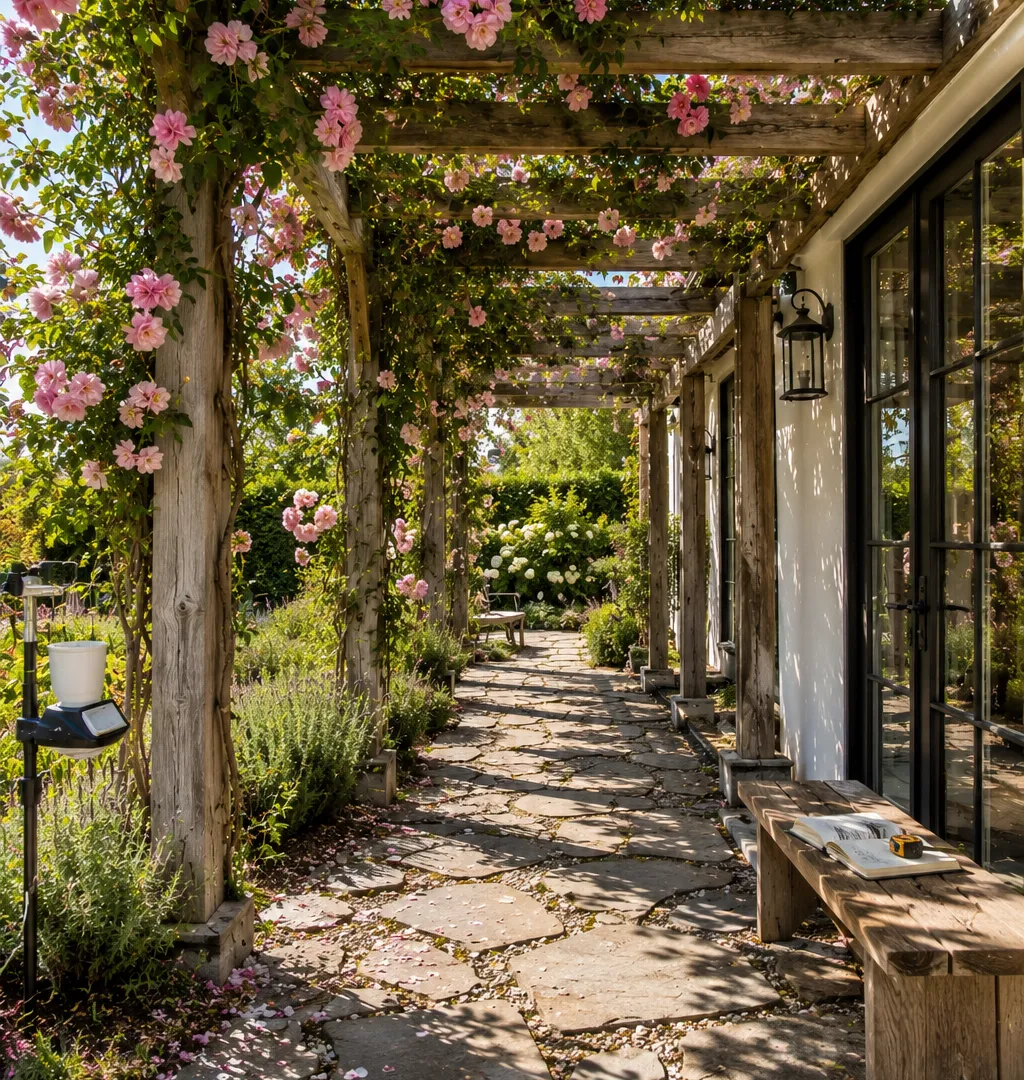
The second is European Farmstead. This leans into irregular flagstone, pea gravel, trailing ivy, and heavy terracotta pots. It feels older and slightly overgrown. It requires less precision during the build, but it requires more maintenance to keep the plants from completely taking over the stone.
Pick one. Do not mix the sharp lines of Corten steel planters with romantic, chipped-paint wheelbarrows.
The wood debate: cedar vs. pine
I learned this the hard way. Five years ago, I bought what I thought was a "beautifully distressed" pine potting bench from a big-box store. By the second winter, it had absorbed so much rain that the back legs snapped off under the weight of a few terracotta pots.
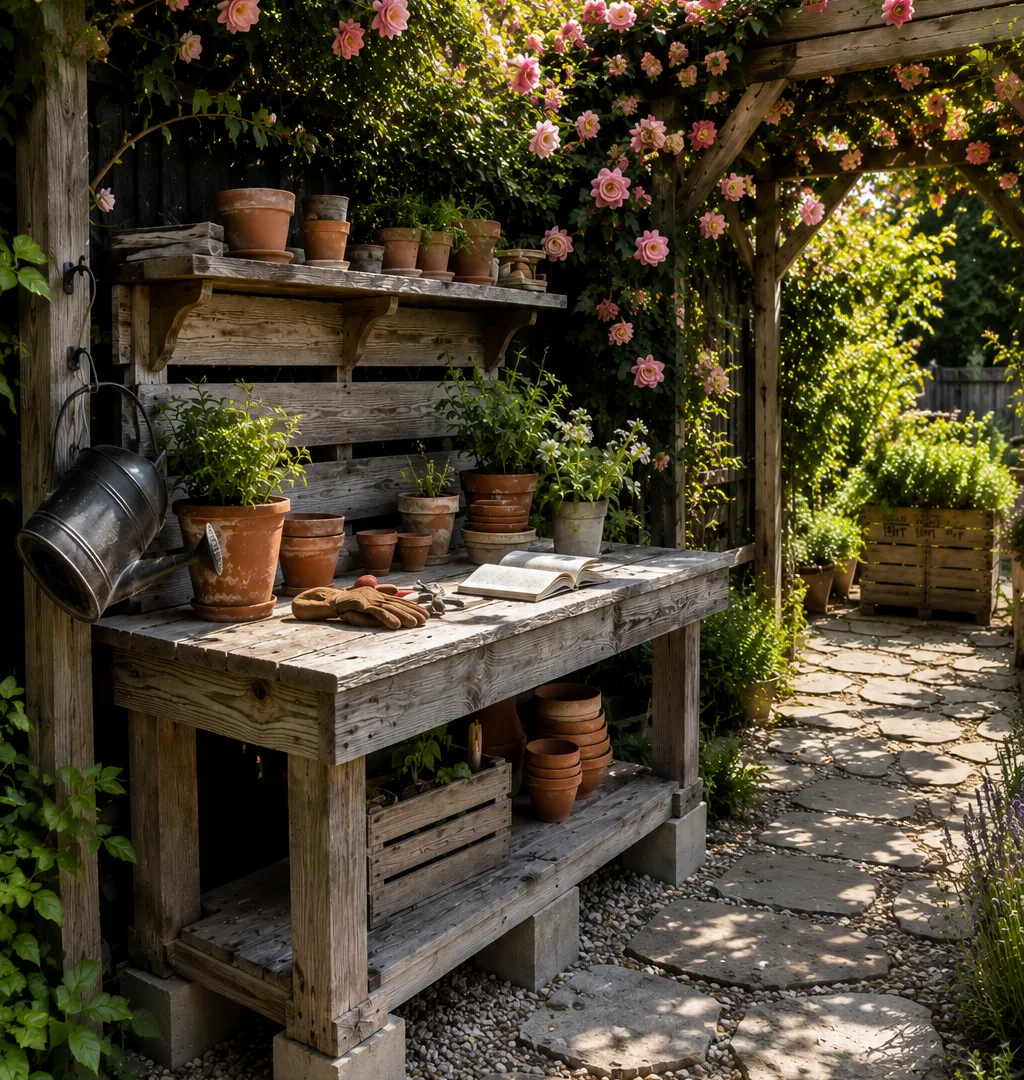
Wood is the primary material in any rustic setup, but picking the wrong wood guarantees a headache. To source materials correctly:
1. Avoid untreated pine: Pine absorbs water rapidly, swells, and splits within two years.
2. Invest in cedar or redwood: Both contain natural oils that resist rot and insect damage.
3. Let it weather: Cedar costs more upfront but lasts fifteen years outside. It naturally fades to a beautiful, silvery-gray patina.
4. Check pallet stamps: If you use shipping pallets for cheap planters, only use ones stamped "HT" (heat-treated). Never use "MB" (methyl bromide, a toxic pesticide).
The same rule applies to metal. You want heavy-gauge galvanized steel, heavy cast iron, or raw weathering steel. Skip the thin decorative tin buckets; they rust through before the summer ends.
Hardscaping before planting
A flat expanse of grass bordered by a wooden fence is not a garden. You have to break the space into deliberate zones.
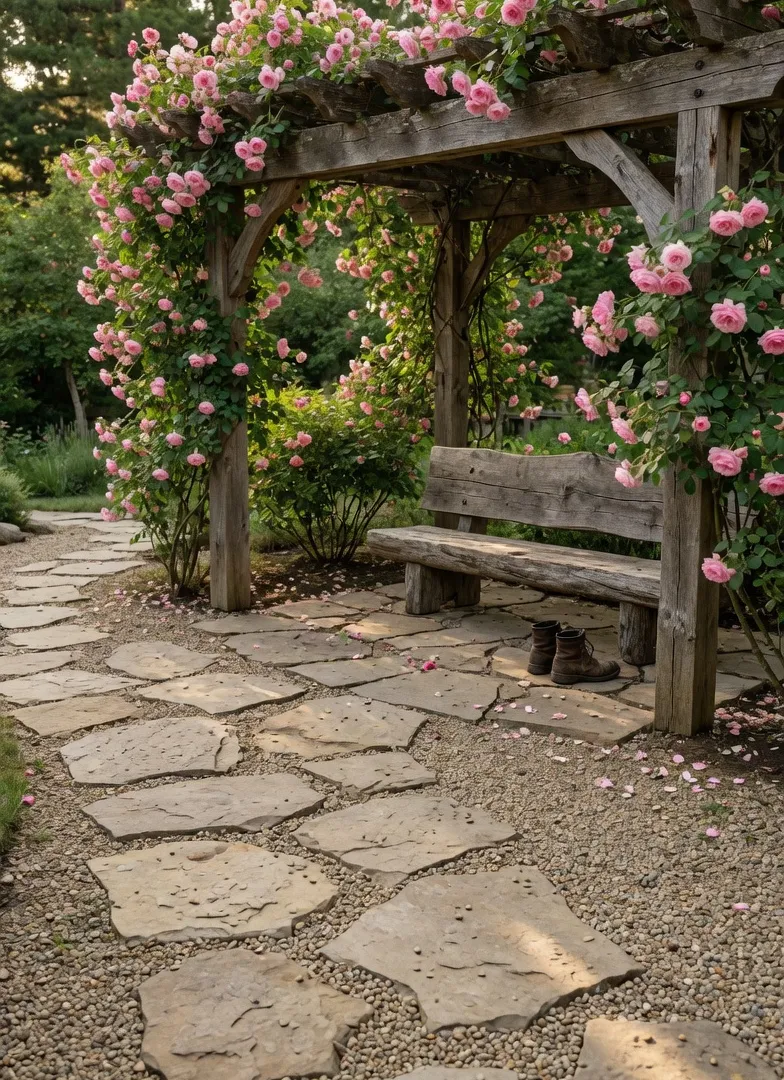
Start with the hardscaping. Concrete slabs and perfectly square pavers read as modern and rigid. To drop the formality of the yard, rip out the straight lines. Lay down heavy, irregular flagstone pieces and sweep loose pea gravel into the joints instead of cement grout. The crunch of gravel underfoot instantly changes the atmosphere of the space.
Once the floor is established, define the seating area. A heavy, rough-sawn cedar pergola anchors the space visually. Plant climbing varieties like wisteria or climbing roses at the base of the posts. As they grow over the wood, they blur the lines between the architecture and the garden, which is the entire point of the rustic aesthetic.
Metal accents and the rules of rust
Installation is where the details matter. If you buy iron decor—like an old tractor seat turned into a stool, or a heavy iron trellis—expect it to rust. That is part of the aesthetic. But if you place it directly on a light-colored flagstone patio, the rust will run in the rain and stain the stone permanently.

To prevent this, spray the iron with a clear matte polyurethane sealer once a year. It freezes the rust exactly where it is. I ruined a perfectly good section of flagstone before I figured this out, and no amount of power washing gets rust out of porous stone.
The only lighting rule that matters
Harsh, bright floodlights destroy the atmosphere of a garden instantly.
You need warm, low-level lighting. String heavy-duty, commercial-grade cafe lights (specifically with a warm 2700K color temperature) across your seating area. Do not buy the thin wire fairy lights. Buy the thick, rubber-coated cables. For pathway lighting, use heavy brass or copper path lights. They will patina and darken to a deep brown over time, providing a soft, downward pool of light at night that feels intentional and calm.
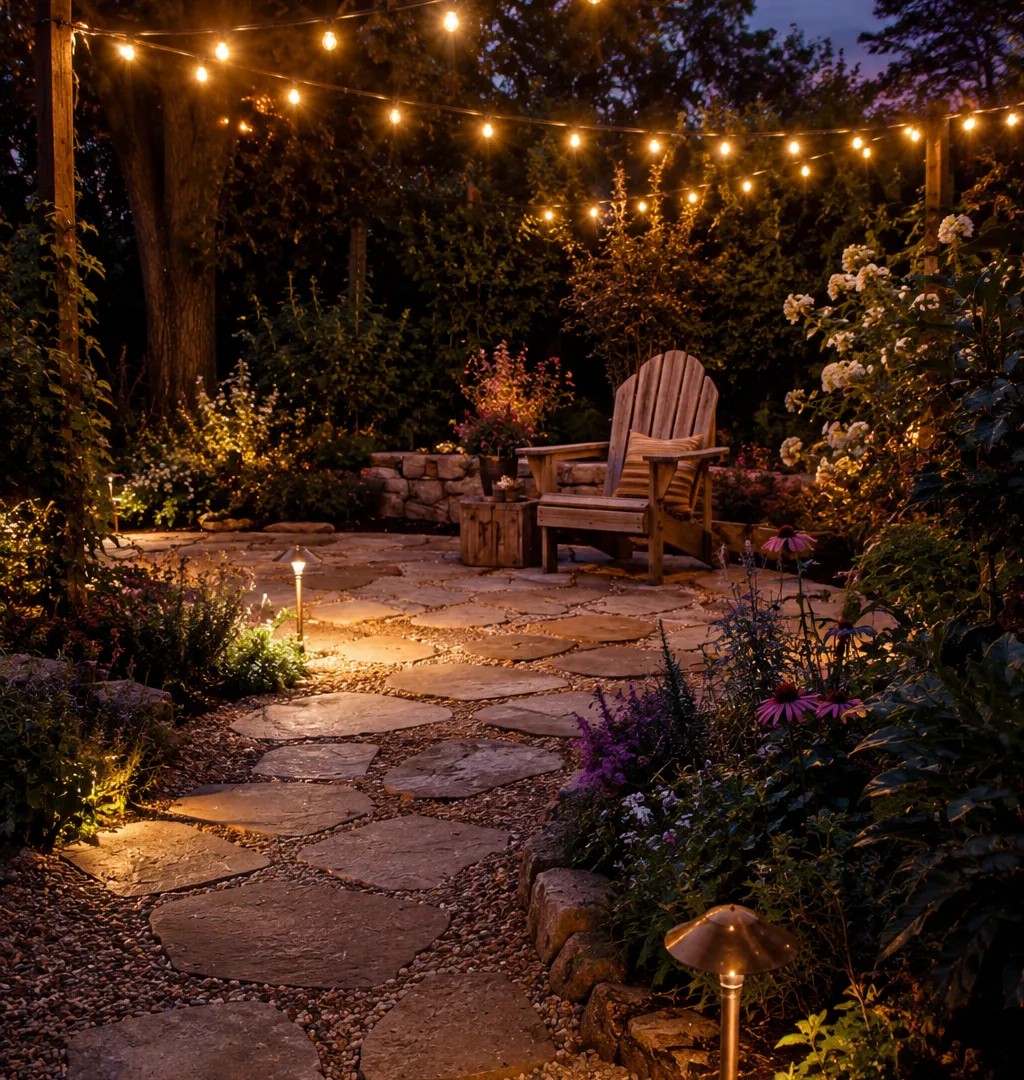
You don't need to build it all this weekend. Start with the ground. Rip out a straight concrete path, drop some heavy flagstone into pea gravel, and let the edges blur. The rest of the rust and wood can come later.
---
Frequently Asked Questions
About the Author: Elena Vance
Interior design enthusiast and DIY expert. Elena Vance has spent over a decade curating spaces that blend modern aesthetics with everyday functionality. Passionate about helping you create a home that tells your unique story.


