2026 Home Decor Trends: 10 Styles Actually Worth Adopting
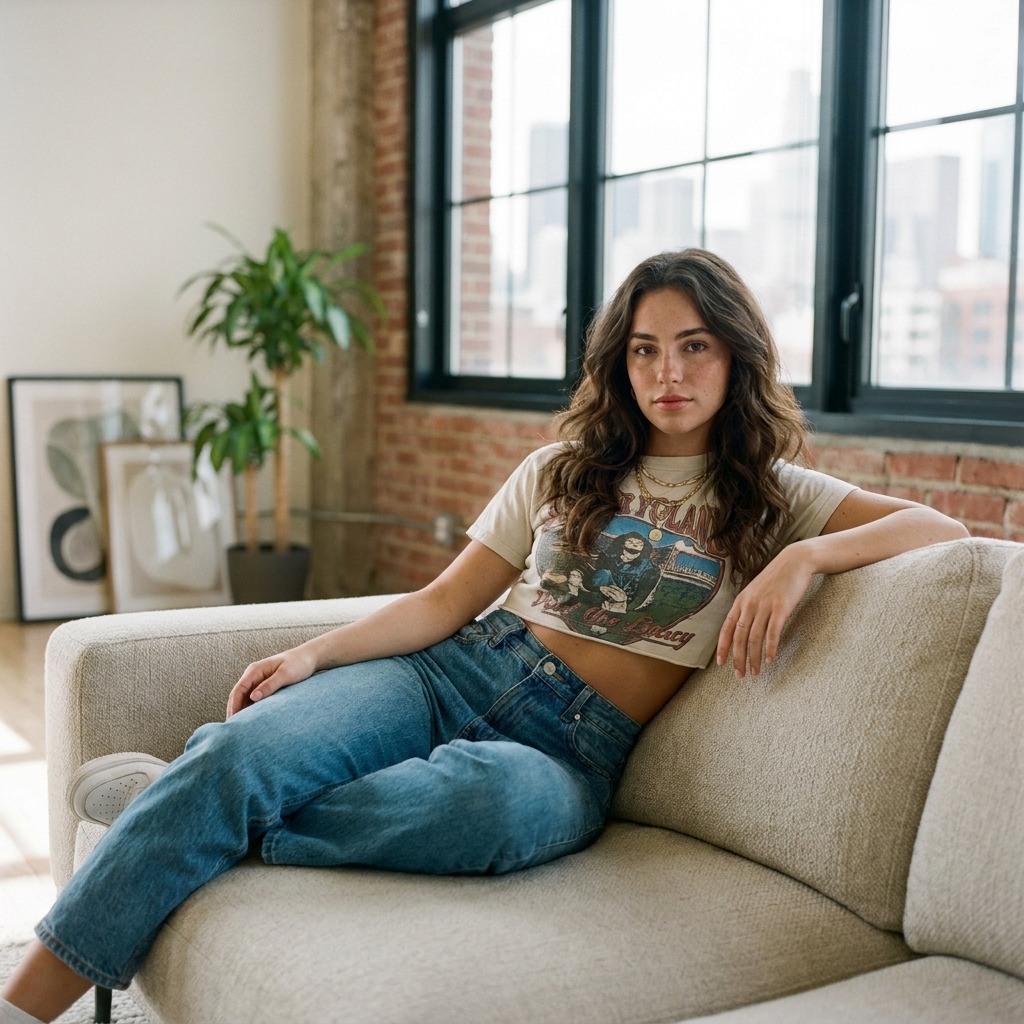

Home decor in 2026 has a clear undercurrent: personality over perfection. We spent years making rooms that photographed well but felt hollow. The pendulum has swung toward texture, sustainability, and actual lived-in warmth — anchored by Pantone's 2026 Color of the Year, Cloud Dancer, a soft, lofty white that reads as calm without feeling sterile.
These 2026 home decor trends blend global influences — European heritage, biophilic nature connections, the slow-decorating movement — and they work whether you're in a city apartment or a countryside house. Here's what's actually worth your time and money this year.
1. Narrative Maximalism: Collected, Personal & Full of Soul
The era of matching everything and keeping it minimal is fading. In 2026, maximalism returns — but with a story. Rooms should feel like they've been assembled over a decade, not ordered from one catalog on a Tuesday afternoon.
This is "slow decorating" in practice. Heirlooms, travel finds, inherited art, and pieces picked up at flea markets — mixed eras, mixed scales, mixed textures. The cohesion comes from the person, not the palette.
Start with a neutral base — Cloud Dancer walls do this perfectly — and layer 5 to 7 meaningful pieces. Group collections on shelves or gallery walls so they read as intentional rather than random. The difference between narrative maximalism and clutter is editing. Every piece needs to earn its place.
2. Pattern Remixing: Patterns Are the New Neutrals
Florals with plaids. Stripes layered against geometrics. Pattern-on-pattern mixing creates depth and energy that flat neutral rooms can't match.
The trick is restraint within the chaos. Pick one hero pattern — a large-scale floral on drapes, for instance — then add two or three supporting patterns from the same color family. Use solid-color pieces as breathers between the busy surfaces. When the palette stays tight, the layering reads as sophisticated rather than frantic.

3. Organic Curves & Sculptural Forms
Boxy furniture is losing ground fast. Rounded sofas, wavy mirrors, kidney-bean coffee tables, arched doorways — soft, flowing forms that invite you to lean in rather than sit up straight.
Why curves right now? After years of rigid, hard-edged interiors, there's a psychological pull toward approachability. Curved furniture changes how people physically move through a room. They slow down. They gather differently around a rounded island or an arched seating area.
Swap one rectangular piece — a coffee table or an armchair — for something with an organic silhouette. Pair it against straight-lined architecture for the tension that makes both shapes read more intentionally.

4. Earthy Tones & Bold Atmospheric Color Drenching
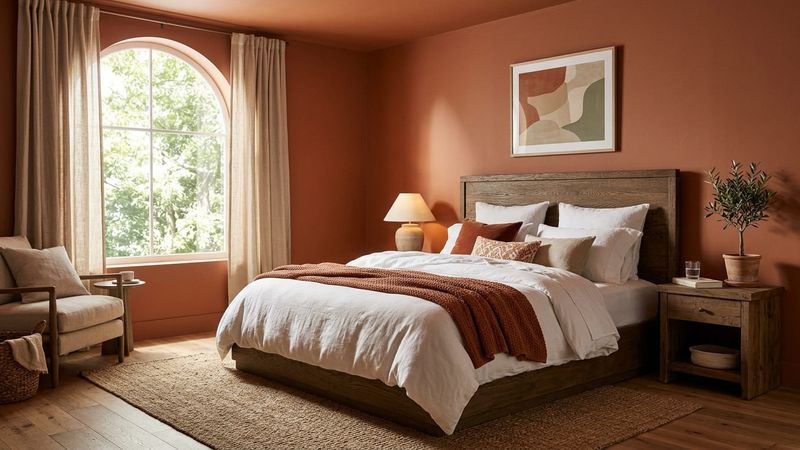
The "sad beige" phase is over. Deep umber, warm terracotta, ochre, pistachio-chartreuse, and rich reds are replacing the muted neutrals that dominated the last five years. And they pair remarkably well with Cloud Dancer as a grounding base.
Color drenching — painting the walls, trim, and ceiling the same saturated hue — continues to gain momentum. It blurs the physical edges of a room and creates an immersive, enveloping atmosphere. One room fully drenched in terracotta, for instance, shifts your entire experience of the space.
Test your paint in the actual room first. Natural light changes these tones dramatically between morning and evening — a color that looks warm and inviting at noon can read as muddy by 7 PM under artificial light.
5. Vintage & Antiques Revival with Slow Decorating
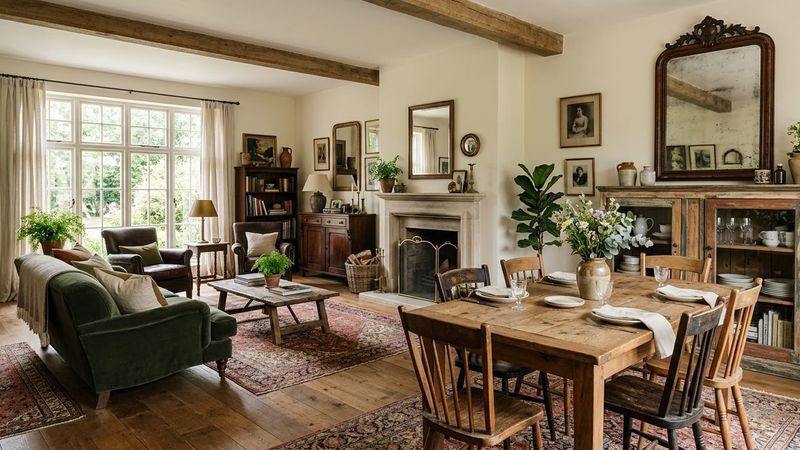
Thrifting and heirlooms are outpacing fast furniture, and it's not purely a budget move. Antiques bring a weight and character that mass-produced pieces don't carry. A 1960s sideboard has 60 years of patina baked into it — no amount of "distressed finish" on a new piece replicates that.
Hunt one statement antique per room and mix it with modern elements. The contrast is what makes both pieces shine. And mix light and dark woods freely — the old rule about matching wood tones is long dead.
6. Rich Textures: Fringe, Tassels, Tufting & Thick Frames
Tufted sofas, fringed curtains, tassel details on throw pillows, thick matted frames on gallery walls, lacquered finishes on side tables — tactile layers are everywhere.
This works because flat surfaces feel digital. We're surrounded by screens all day. Coming home to a room where you can run your hand along a tufted arm, feel the weight of a fringed throw, or notice the shadow a thick frame casts on the wall — that's a physical counterbalance to the flatness of everything else.
Layer at least three distinct textures per seating area. Velvet, linen, and a nubby bouclé. Or leather, mohair, and a smooth lacquer. The combination matters more than any single piece.

7. Biophilic Design Evolved: Nature Indoors & Outdoors
We're past the "put a monstera in the corner" phase. Biophilic design in 2026 means living walls, large-scale nature photography as art, natural materials on every surface, and deliberate indoor-outdoor flow through glass doors and transitional spaces.
Cloud Dancer on walls makes greenery pop — the warm white acts as a quiet backdrop that lets plant and stone textures do the talking. If you're not ready for a living wall, start with oversized botanical prints and swap synthetic materials for raw wood, stone, or woven jute wherever you can.
8. Whimsical Collected Accents: Wall Plates, Tin & Heirloom Textiles
Wall plates in dining areas, tin lighting and screens repurposed as art, heirloom-style geometric blankets draped across furniture, bamboo blinds filtering afternoon light — these small, affordable pieces inject personality without requiring a renovation.
They're playful without being childish. And because they're small-scale, you can experiment freely and swap them seasonally without commitment.
9. Sustainable & Functional Luxury
Washable rugs, multi-purpose furniture, eco-conscious materials — bamboo, reclaimed wood, recycled metals — that look genuinely high-end. Function and sustainability are no longer the compromise they used to be.
The shift here is that "sustainable" doesn't mean "rough" anymore. Ruggable's washable rugs, for instance, now come in patterns that read as hand-knotted wool. Reclaimed wood dining tables carry more grain character than freshly milled versions. Buying fewer, better pieces that last decades is both the environmentally responsible and the aesthetically superior approach.
10. Modern Heritage Revival
Fluted millwork. European-inspired terra-cotta tiles. Updated traditional details — stepped molding, arched niches, paneled wainscoting — blending the craftsmanship of past decades with clean, modern proportions.
This is the trend with the longest shelf life. Architectural details don't date the way color palettes or furniture silhouettes do. A room with well-proportioned fluted paneling will read as intentional in five years, ten years, twenty. The investment lands differently than a painted accent wall that you'll tire of in eighteen months.
How to Start Without a Renovation
- Swap one rectangular piece for something curved.
- Layer two or three patterns from the same color family.
- Add one meaningful vintage find per room.
- Paint one room — walls, trim, and ceiling — in a single rich tone.
- Replace flat surfaces with textured alternatives: bouclé covers, fringed throws, thick-matted frames.
You don't need to adopt all ten trends. Mix two or three that speak to how you actually live — narrative maximalism layered with earthy tones and organic curves, for instance — and let the rest go. The 2026 home decor trends that work best are the ones that still feel right when nobody's looking at your feed.
Frequently Asked Questions
About the Author: Elena Vance
Interior design enthusiast and DIY expert. Elena Vance has spent over a decade curating spaces that blend modern aesthetics with everyday functionality. Passionate about helping you create a home that tells your unique story.


