
20 Best Art Deco Living Room Ideas for Glamorous 2026 Interiors


I used to hate Art Deco. Genuinely. Every time a client requested it, my mind immediately went to cheap mirrored furniture, harsh chevron wallpaper, and living rooms that felt like a theme party for *The Great Gatsby*. It always felt heavy and forced.
Then I saw a 1930s Parisian apartment where the owner had stripped away the excessive ornamentation and left only the structural bones: a curved plaster archway, a heavily veined marble fireplace, and one perfect, low-slung burl wood table. The weight of that room changed my entire perspective.
The 2026 iteration of this trend—designers are calling it "Neo-Deco"—isn't about recreating the Roaring Twenties. When the *Pinterest Predicts 2026* report and *Vogue Living* both flagged the return of geometric precision and heavy metals this year, they explicitly noted a shift away from costume-party aesthetics. It borrows the discipline of geometric precision and the warmth of luxury materials, but drops the theatricality. You don't need a room full of shiny chrome. You need tension. You need the contrast between a rigid, stepped molding and a soft, scalloped sofa.
Here is exactly how to pull off that balance without your living room feeling like a movie set.
The 5 Core Rules of Modern Art Deco
If you only take away one thing, let it be this framework.
1. Limit geometric patterns to one surface per room.
2. Choose warm metals (aged brass, unlacquered bronze) over high-shine chrome.
3. Anchor the space with deep, saturated colors like oxblood or sapphire.
4. Invest in heavy, natural materials (marble, walnut, burl wood).
5. Contrast sharp architectural lines with curved furniture silhouettes.
Architectural Details
You cannot fake good bones. If your room is a plain white drywall box, sticking a geometric rug in the center won't give you an Art Deco feel. You have to build the structure first.
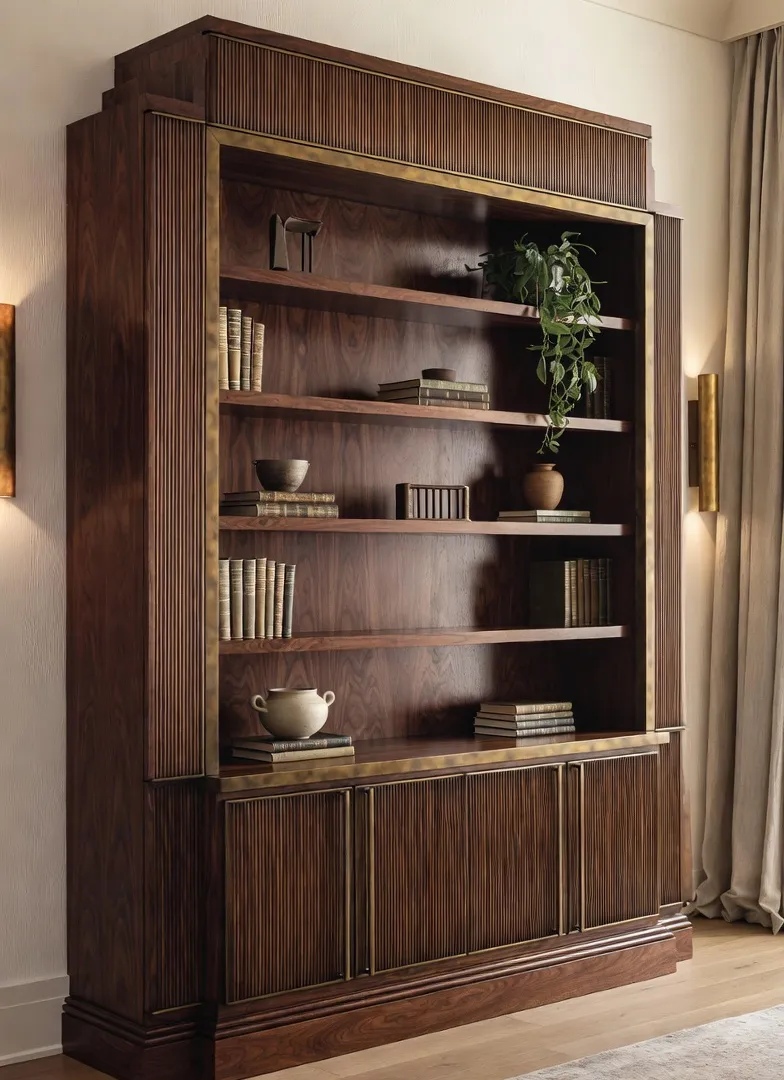
1. The Fluted Wall Treatment
Forget standard beadboard. Fluting—tight, repetitive convex curves—was a staple of 1920s architecture. I applied custom oak fluting to a fireplace surround in a Chicago condo last year. It cost about $800 in raw materials and completely changed how the morning light moved across the wall. The shadows become part of the design.
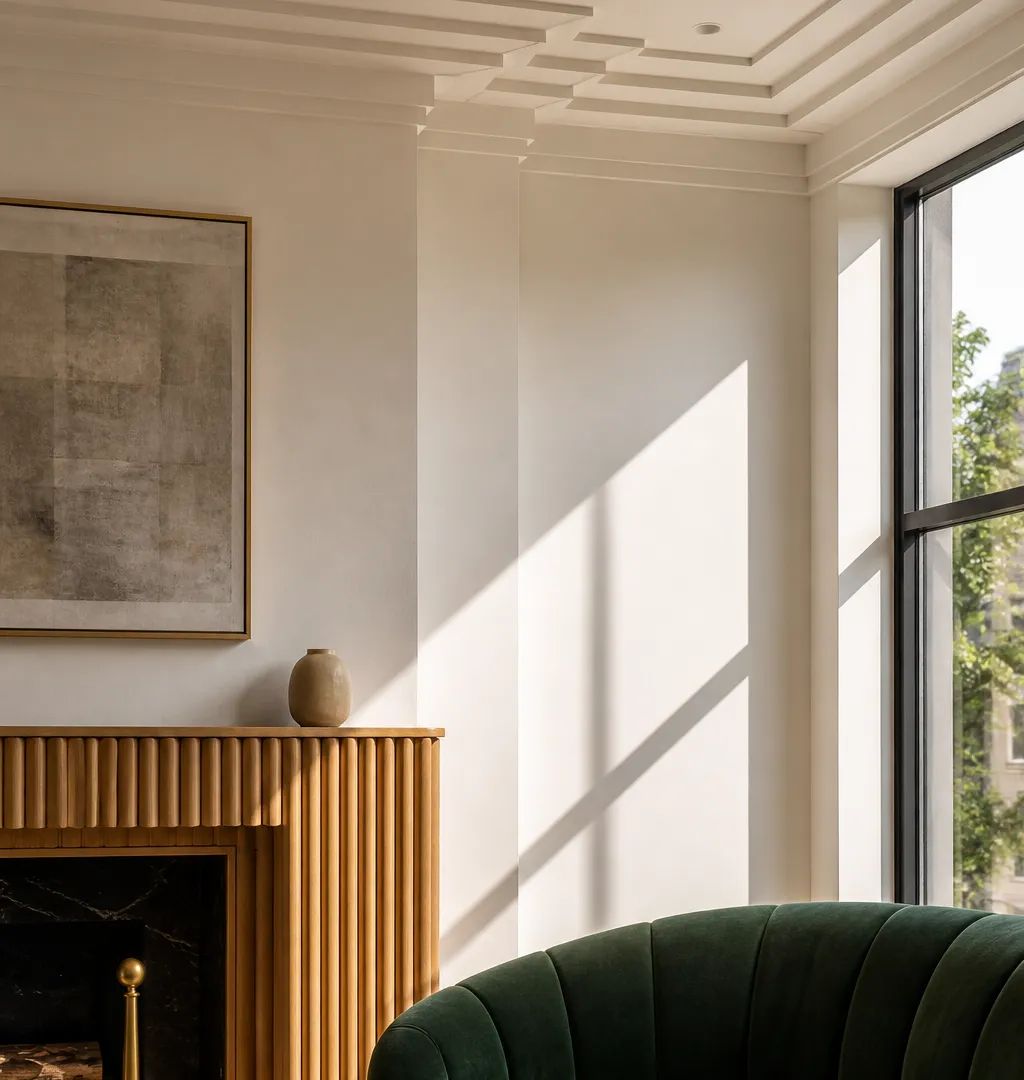
2. Stepped Ceiling Moldings
A standard crown molding curves. An Art Deco molding steps. It looks like a miniature inverted staircase running along your ceiling line. This draws the eye upward and adds a sharp, architectural rigidity that perfectly contrasts with the softer furniture we use today.
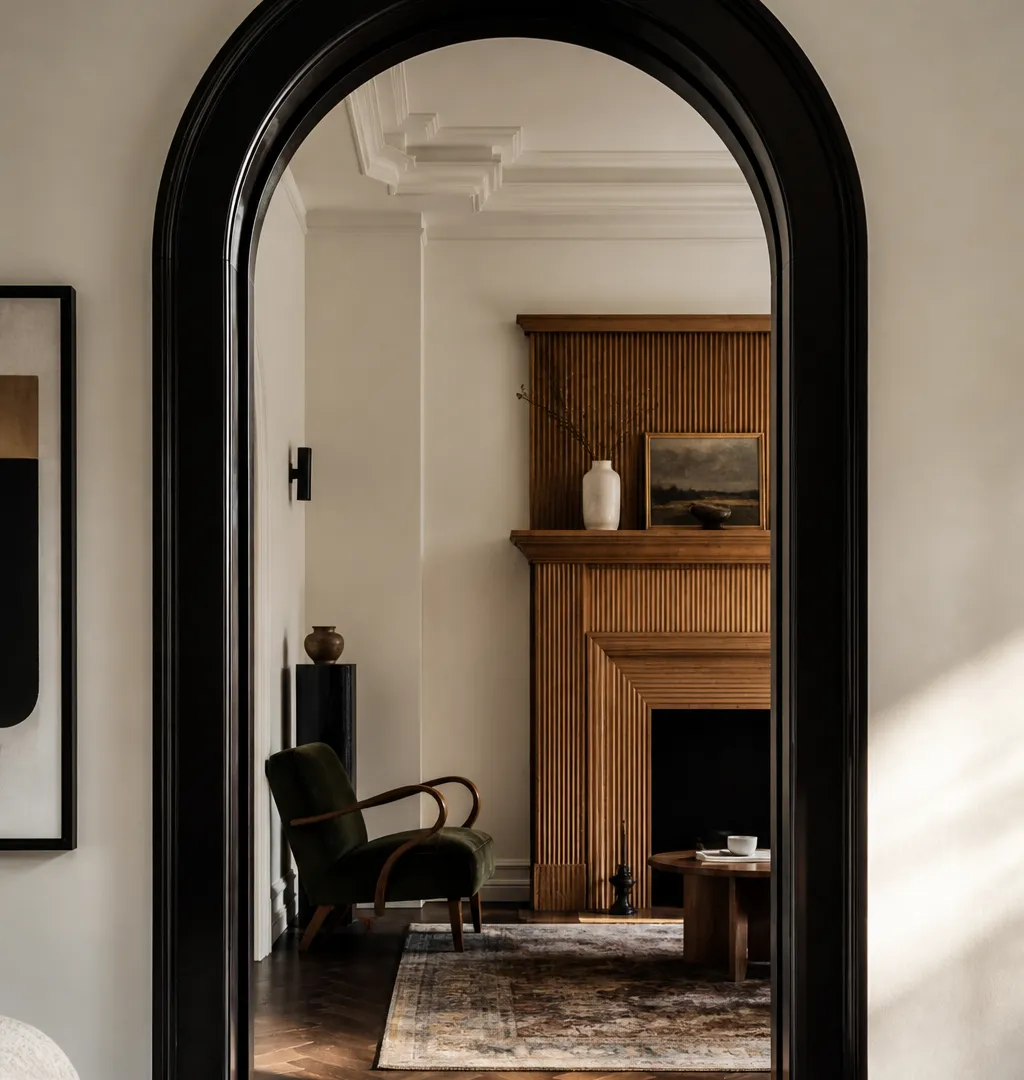
3. Arched Doorways with High-Contrast Trim
Not the soft, organic arches of the Mediterranean trend. We are looking for precise, perfect semi-circles. Painting the inside jamb of that arch a deep charcoal or high-gloss black frames the transition between rooms like a photograph.
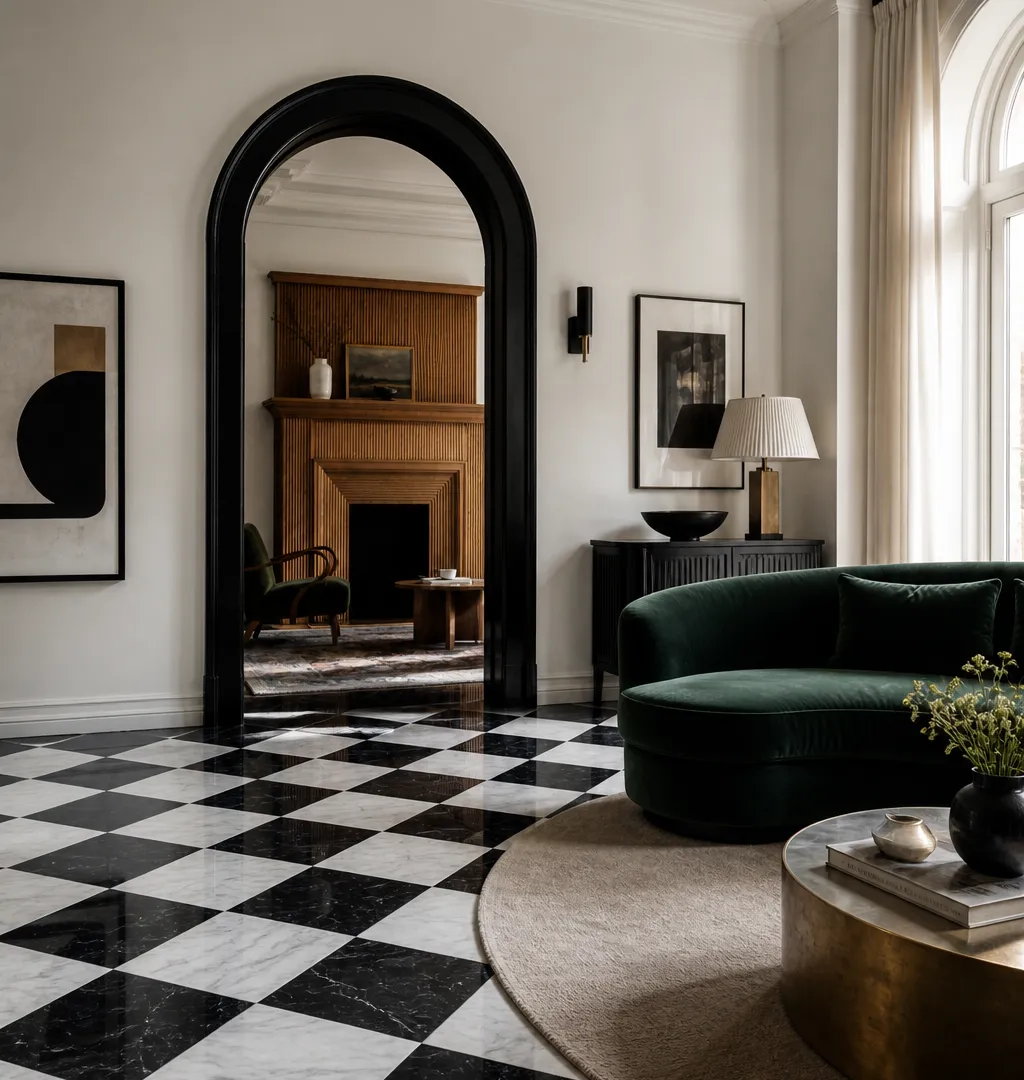
4. Checkerboard Marble Floors
If you have the budget for a major renovation, skip the standard wide-plank oak. A checkerboard floor in heavily veined Nero Marquina and Carrara marble is the ultimate Deco foundation. It is cold, hard, and undeniably dramatic. You soften it later with wool rugs.
Furniture Shapes That Define the Look
The furniture is where the 2026 Neo-Deco trend diverges sharply from the past. We are leaning heavily into comfort.
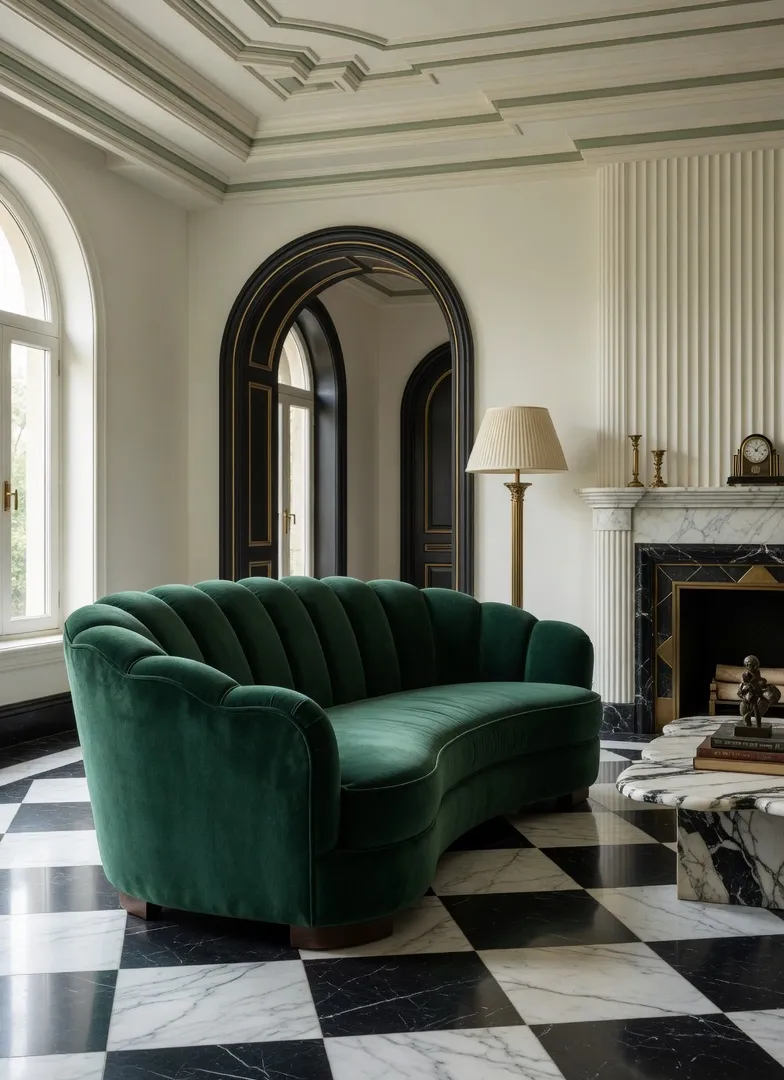
5. The Scalloped Velvet Sofa
This is the anchor. You need a sofa with a channeled or scalloped back, preferably in a performance velvet. I specifically look for pieces that sit low to the ground. A tight back (no loose cushions) maintains the structured look the era demands.
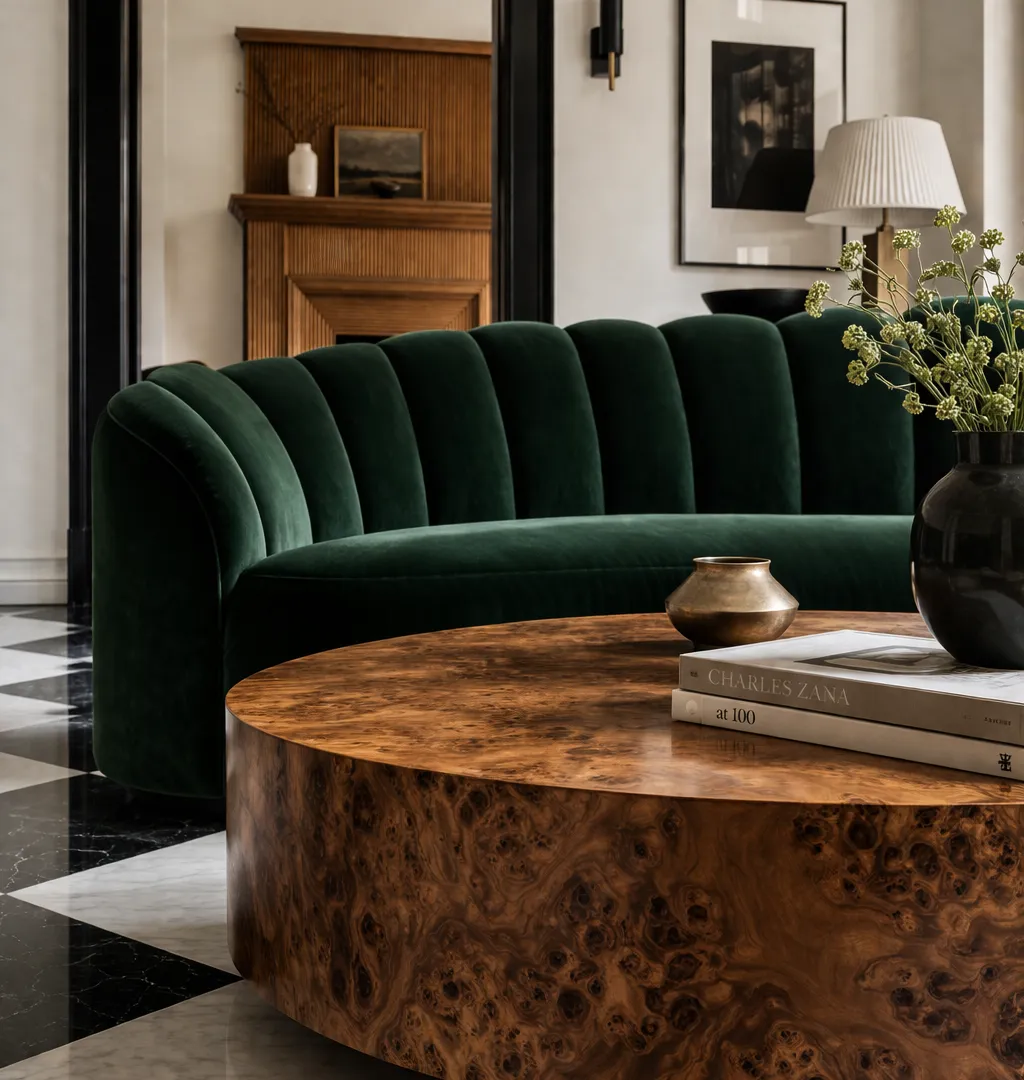
6. Burl Wood Coffee Tables
Burl wood has this chaotic, swirling grain that looks almost like a topographical map. In the 1920s, it was a status symbol. Today, a chunky, solid burl wood coffee table serves as the perfect organic counterbalance to the strict geometry of Deco lighting. Expect to pay anywhere from $1,200 to $3,000 for a quality solid veneer piece. Below that, the printed laminates look painfully obvious.
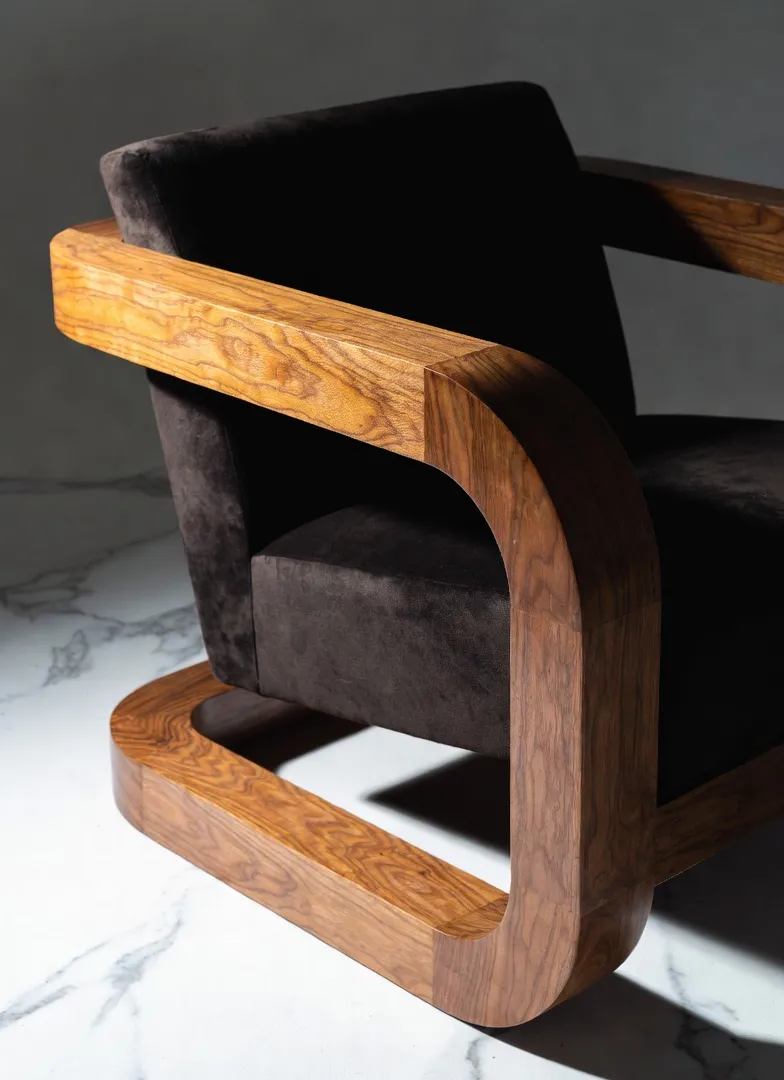
7. The Club Chair Comeback
The bulky, square-armed club chair is out. Look for chairs with exposed wooden frames that curve around the back, cradling the upholstery. Walnut and mahogany are the woods of choice here.
8. Mirrored Consoles (Used Sparingly)
I said I hated cheap mirrored furniture, and I stand by that. But a high-end console table with antiqued, foxed glass panels—the kind that looks slightly cloudy and worn—reflects light beautifully in a dark hallway or behind a sofa without looking tacky.

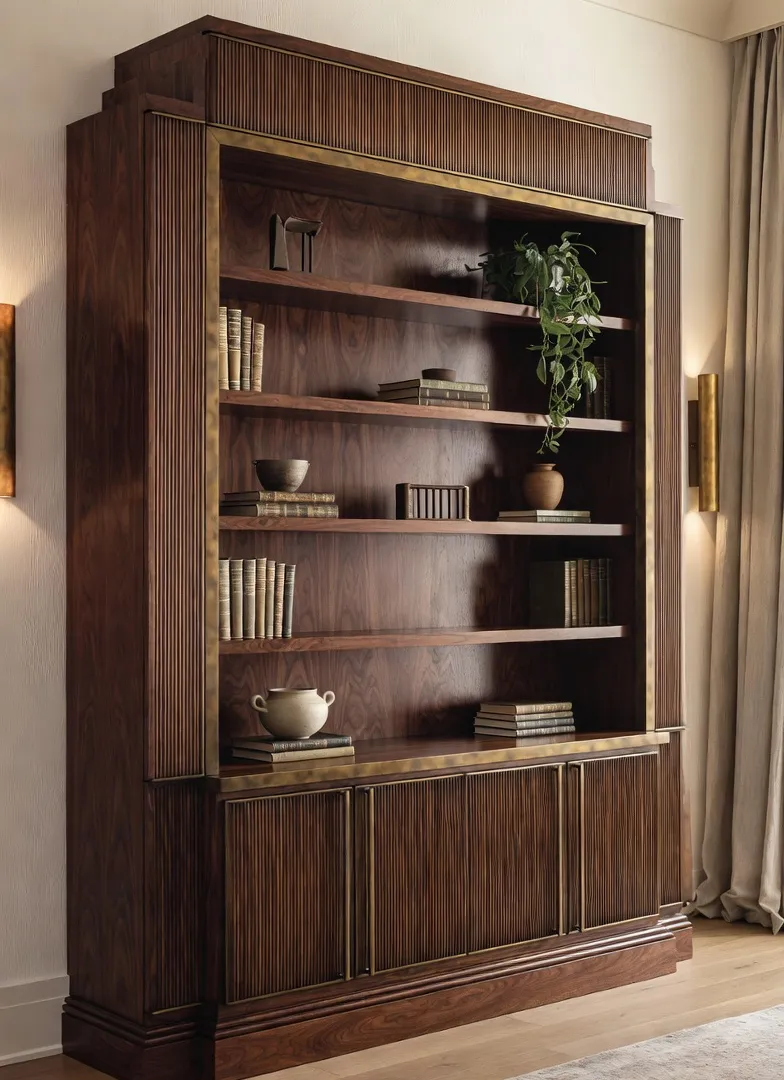
9. Stepped Bookcases
Instead of standard built-ins, look for freestanding shelving units that taper or step inward as they go up, mimicking the silhouette of a 1920s skyscraper.
The 2026 Deco Color Palette
There is a reason hotel lobbies in Southeast Asia always smell different—it's the raw teak reacting to humidity. Same principle applies to your living room colors. The atmosphere changes entirely based on the undertones you establish. If you get the color wrong, Deco immediately looks like a cheap casino.
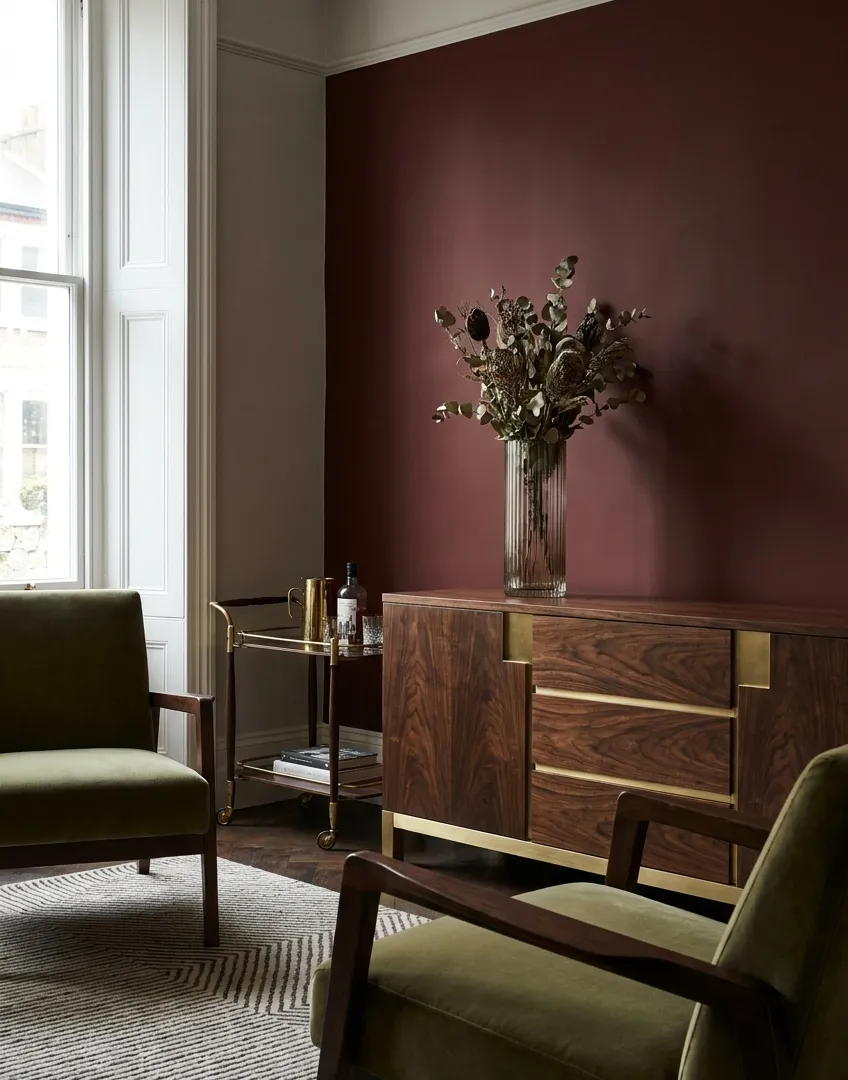
10. Oxblood and Walnut
This is my absolute favorite combination right now. A deep, brownish-red (think Farrow & Ball's *Preference Red*) paired with dark walnut furniture feels incredibly rich and grounded. I had a client in Austin who wanted "Gatsby red" and almost painted her living room a bright, fire-engine crimson. It would have been a disaster. We color-matched an antique Persian rug instead and went with a muddy oxblood. It avoids the cliché of black and gold entirely while still feeling opulent.
11. Sapphire and Ochre
If you prefer cooler tones, a dark sapphire blue wall acts as a brilliant backdrop for ochre or mustard yellow seating. I learned this the hard way: if you use sapphire blue, you *must* use a matte or eggshell finish. A client once used high-gloss navy in a west-facing room, and the afternoon glare off the walls made it physically uncomfortable to sit in. Keep the walls matte, and let the tension between the cool wall and the warm fabric do the work.

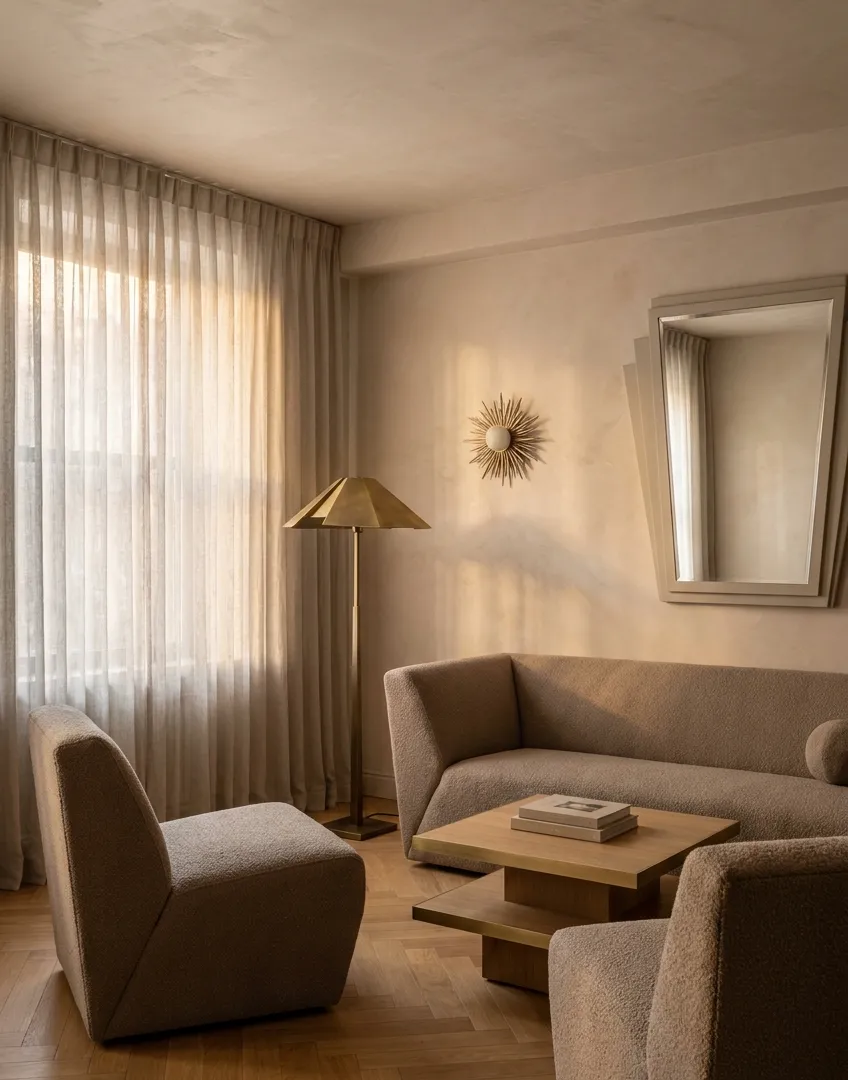
12. Monochromatic Plaster
You don't actually have to use dark colors. A tone-on-tone room in warm plaster (like a pale taupe or Portola Paints' *Roman Clay*) can still read as Art Deco if the furniture silhouettes and lighting are aggressively geometric. This is the "Quiet Luxury" approach to Deco, perfect for smaller apartments where dark colors might feel oppressive.
13. The Strategic Use of Black
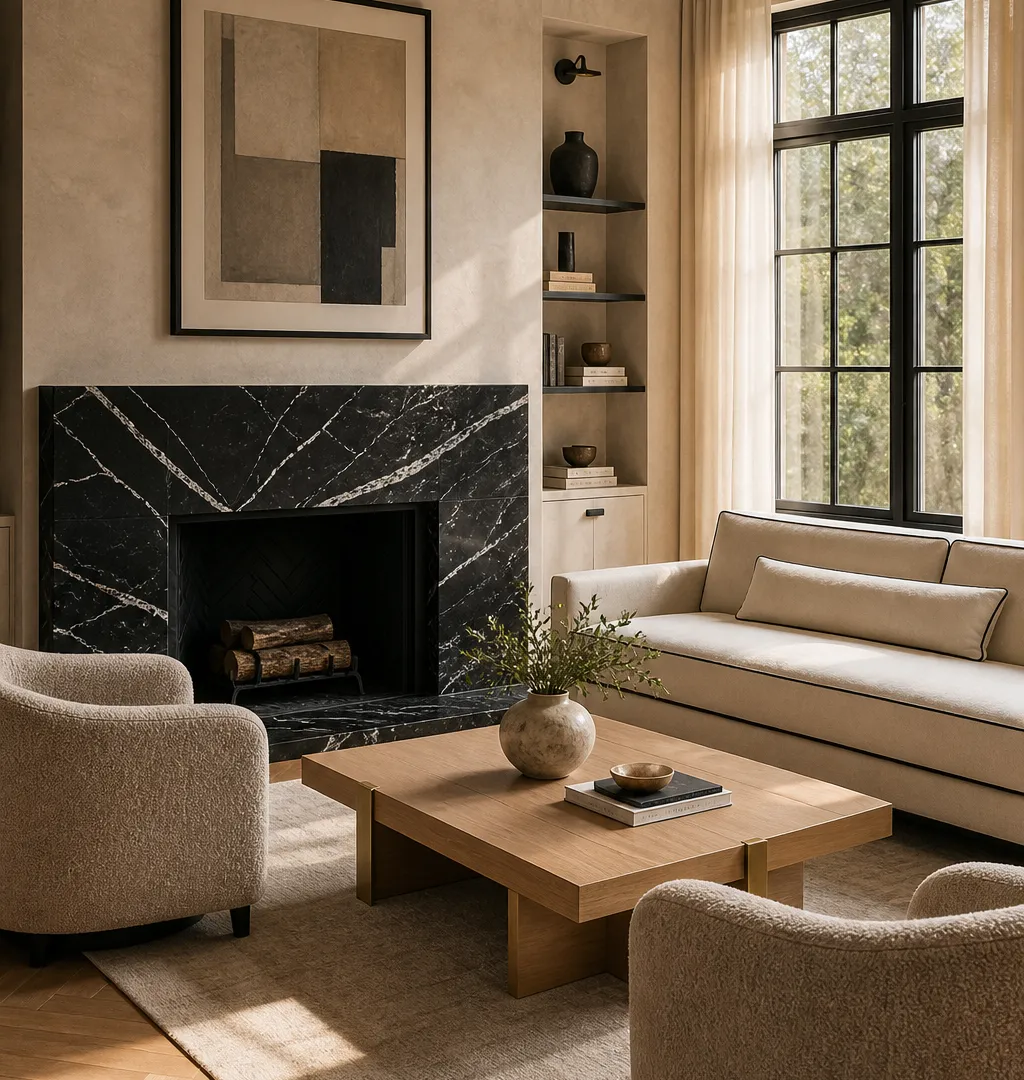
Never paint the whole room black. I tried this in my own office in 2021 thinking it would look "moody." It just looked like a cave. Instead, use black as a framing device. Black window sashes, a heavily veined Nero Marquina marble hearth, or even just thin black piping on a cream linen sofa. It grounds the room and provides the sharp, rigid contrast the style requires without absorbing all the natural light.
Lighting as Functional Art
In Neo-Deco, the lighting is never just functional. It is the jewelry of the room.
14. Frosted Glass Globes
Clear glass exposes the bulb and feels too industrial. I once made the mistake of using clear Edison bulbs in a vintage Deco chandelier, and the room instantly felt like a modern coffee shop rather than a sophisticated lounge. Art Deco relies on diffused, atmospheric light. Tiered chandeliers featuring frosted glass globes or milk glass panels soften the glare and cast a flattering glow.

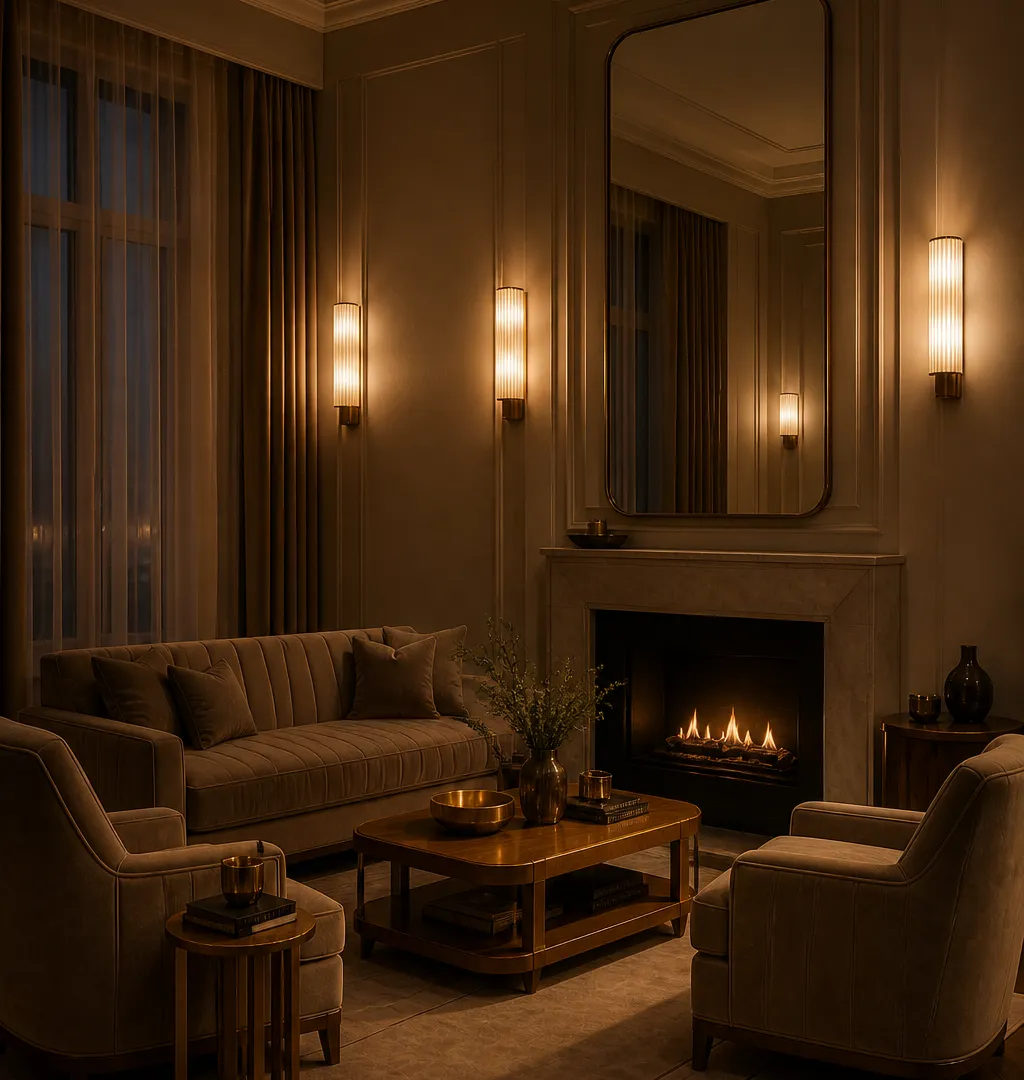
15. The Sconce Focus
Overhead lighting is aggressive. I almost always recommend turning it off and relying on wall sconces. In my own living room, removing the central pendant and relying solely on four wall-mounted sconces completely changed how relaxed I felt after 8 PM. Vertical, fluted glass sconces flanking a fireplace or a large mirror emphasize the verticality of the room.
16. Floor Lamps with Weight
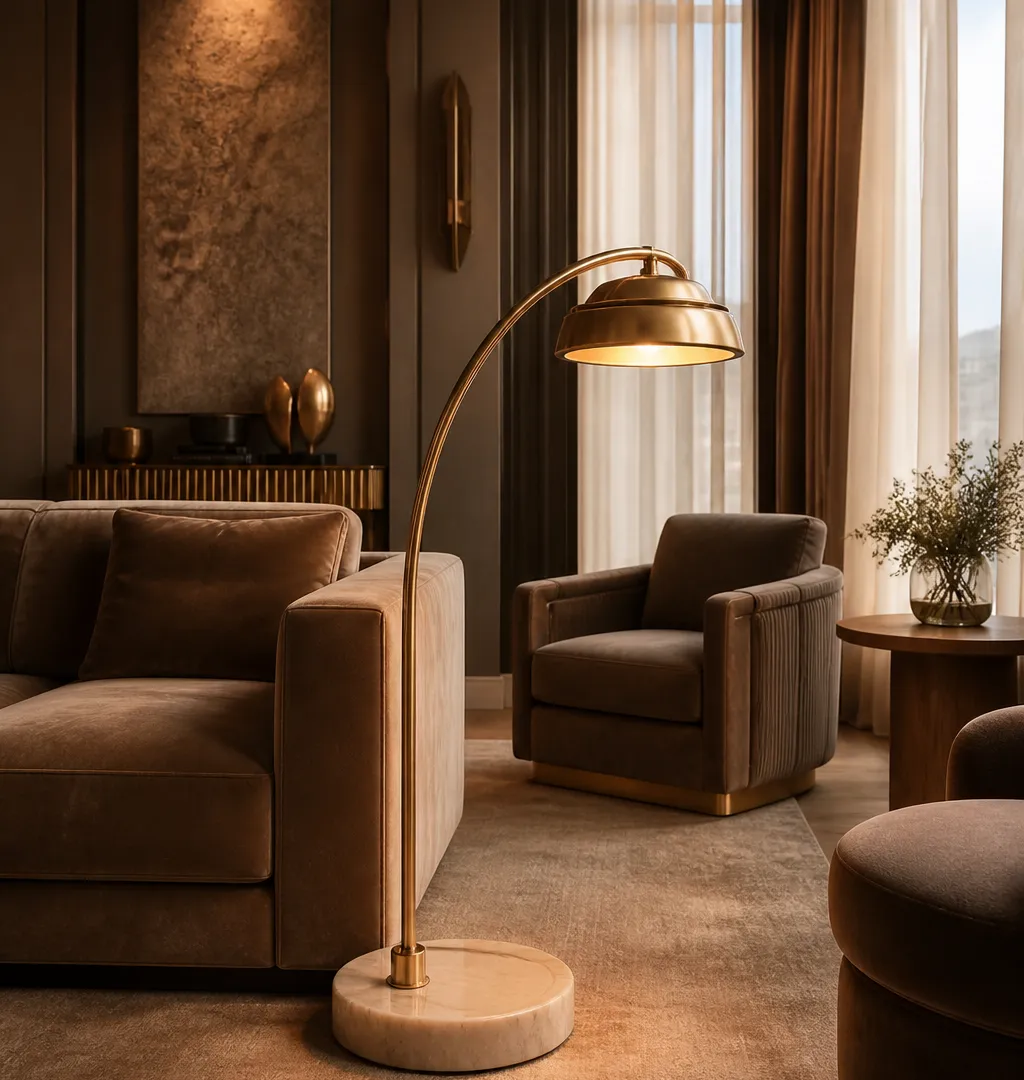
A flimsy metal floor lamp ruins the illusion. I once bought a gorgeous but cheap tripod lamp online, and my golden retriever knocked it over on day two because it lacked substance. You want a lamp with a heavy, solid marble base and an arched or tiered brass shade. It needs to feel like it requires two people to move it.
17. Integrated Architectural Lighting
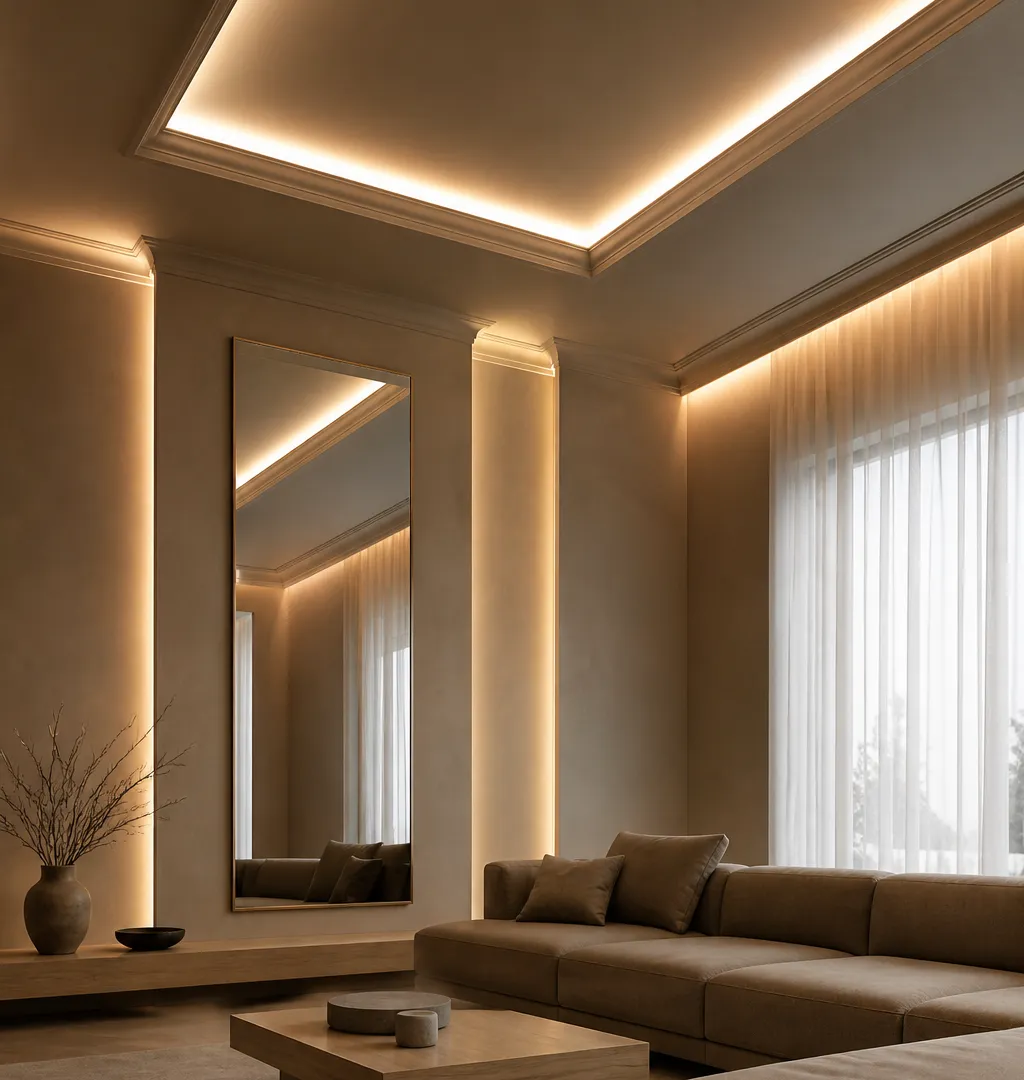
Hiding LED strips behind crown molding or inside a stepped ceiling tray is a modern update that highlights the architectural geometry without introducing another fixture into the space. We did this in a Brooklyn co-op where the board wouldn't let us drill into the concrete ceiling, and the uplighting made the room feel twice as tall.
Textiles and Final Layers
This is where you make the room livable.
18. The Geometric Wool Rug
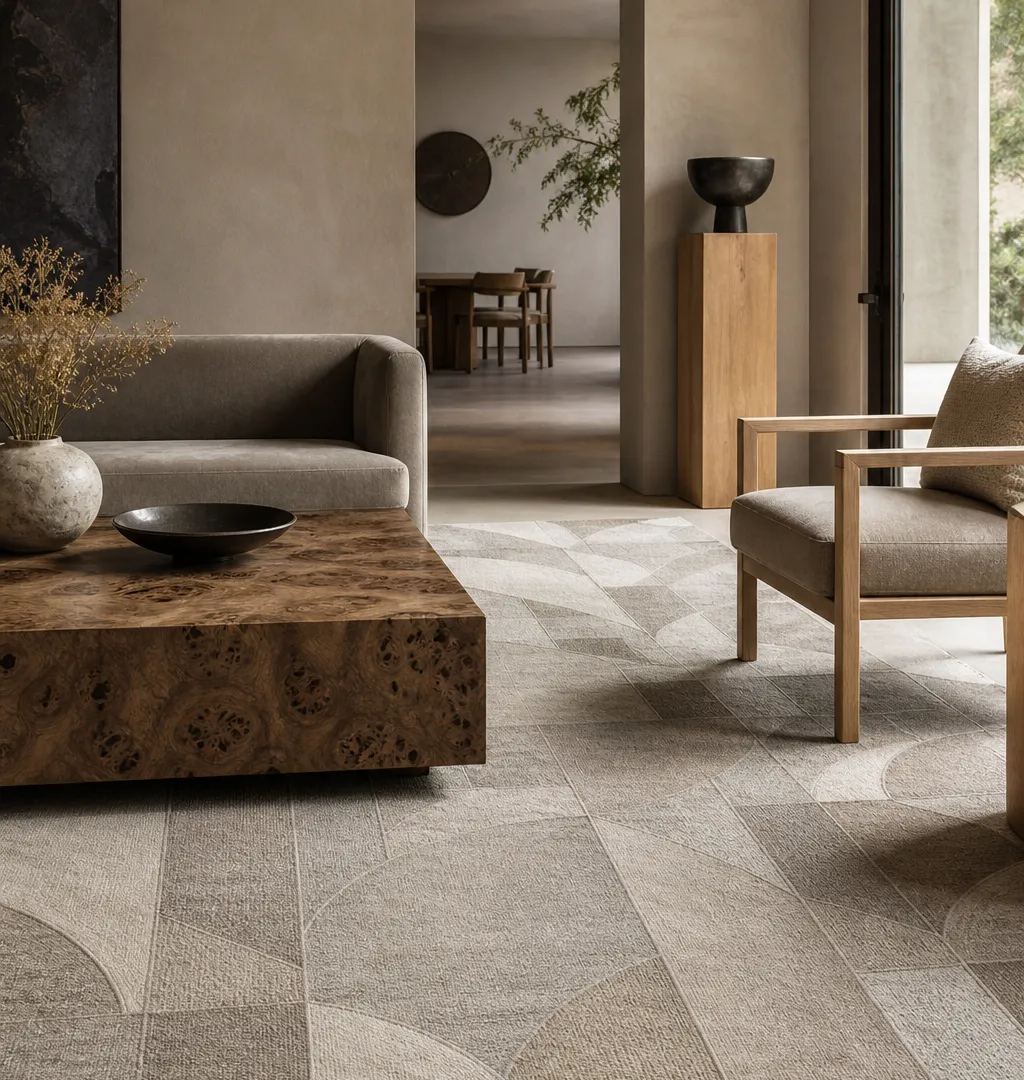
If your walls and furniture are solid colors, the rug is where you introduce the pattern. Look for overlapping arches, tumbling blocks, or subtle chevron motifs. Choose wool or silk blends; I learned early in my career that cheap synthetic rugs will physically buckle and warp under the weight of a solid burl wood table.
19. Heavy Drapery
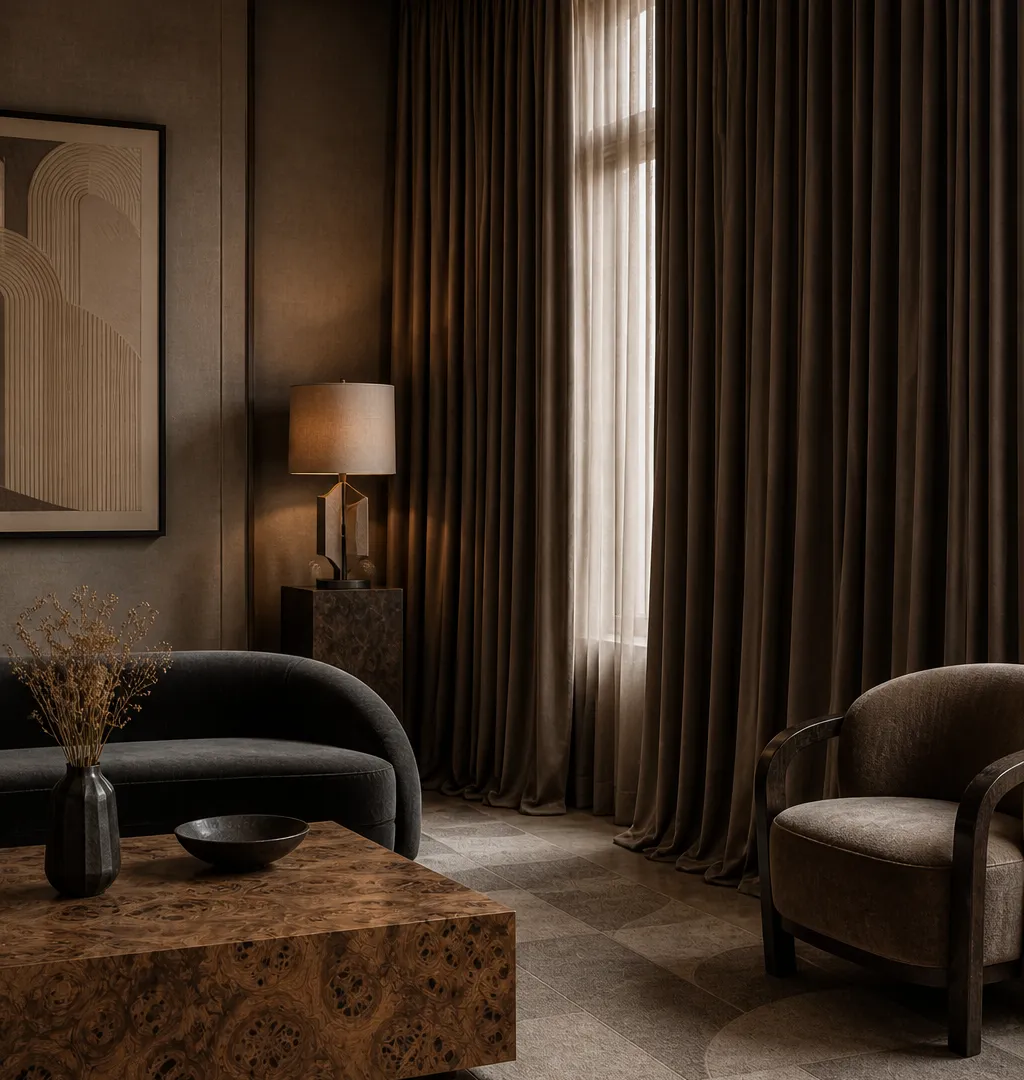
Forget sheer linen panels. I've seen too many people try to pair airy, coastal linen curtains with heavy Deco furniture, and the clash in visual weight is incredibly jarring. You need weight. Pinch-pleated velvet or heavy lined silk drapes that pool slightly on the floor add a layer of acoustic dampening and visual softness.
20. Sculptural Object Styling
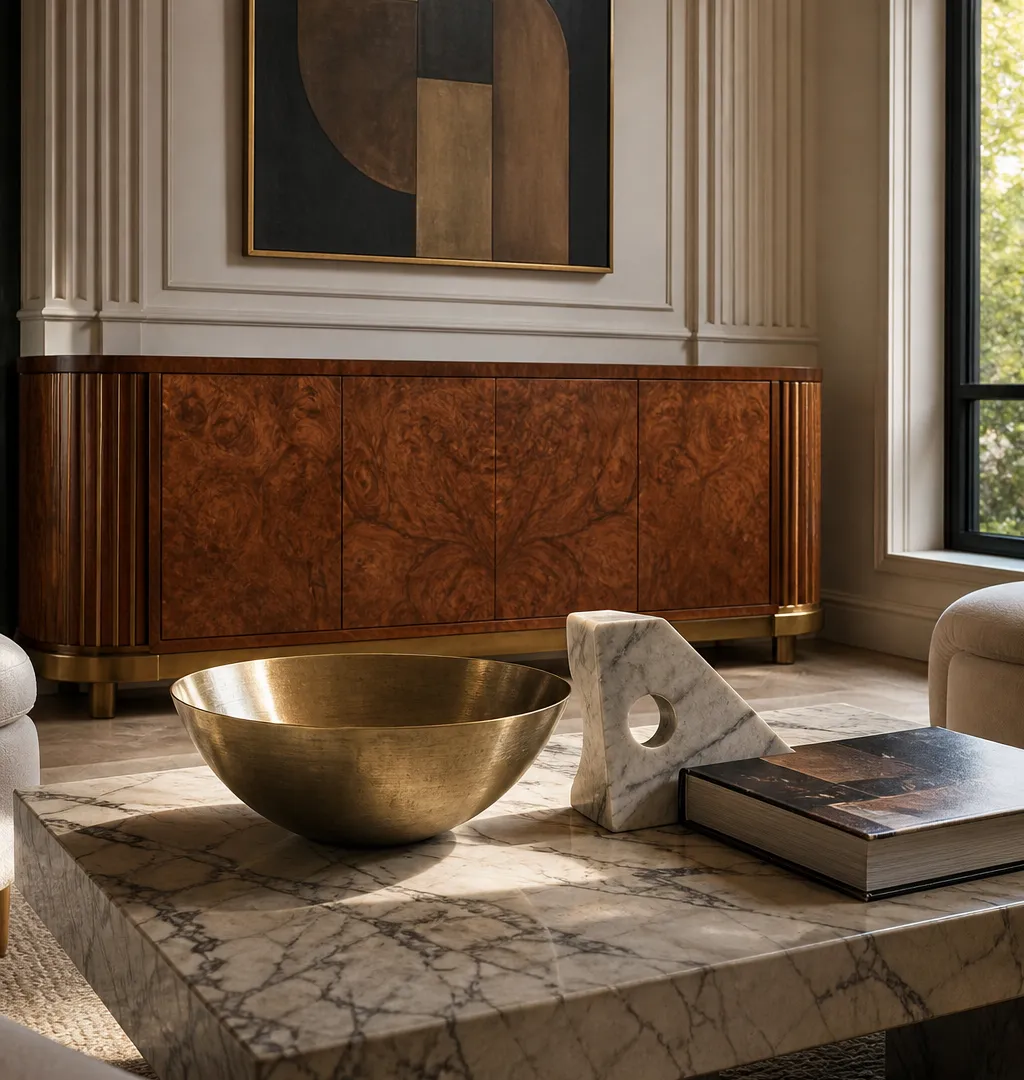
Clear the clutter. A client once tried to cover her stunning new Deco credenza with 15 tiny picture frames, and the beautiful grain of the wood completely disappeared. Instead of ten small knick-knacks on a coffee table, use three large, sculptural pieces. A heavy brass bowl, an oversized geometric marble bookend, and a thick art book.
Most people—and this is a documented pattern—overdo this style on their first try. They buy the geometric rug, the velvet sofa, the mirrored table, and the gold chandelier all at once. The room ends up feeling claustrophobic. If I had to pick one starting point, it's the lighting. Swap a generic ceiling fan for a tiered frosted glass fixture. Live with it for a week. Let the room dictate what it needs next.
---
About the Author: Elena Vance
Interior design enthusiast and DIY expert. Elena Vance has spent over a decade curating spaces that blend modern aesthetics with everyday functionality. Passionate about helping you create a home that tells your unique story.


