
9 Low Maintenance Backyard Landscaping Ideas for First-Time Homeowners

Welcome to homeownership! Now that you finally have the keys, tackling the outdoor space can feel quite overwhelming. Don't worry—creating a stunning outdoor oasis doesn't mean you have to spend every single weekend pulling weeds, trimming hedges, or mowing the lawn. If you are looking for low maintenance backyard landscaping ideas, you are in the exact right place to start your journey.
For first-time homeowners, balancing a beautiful, functional garden with a busy lifestyle and a tight budget is entirely possible. By focusing on smart design choices like drought-resistant plants, clever hardscaping, and simple layouts, you can build a relaxing retreat that practically takes care of itself. In this comprehensive guide, we will walk you through the most effective strategies and diy landscaping ideas on a budget to effortlessly transform your blank canvas into a stunning, hassle-free sanctuary.
The Best Low Maintenance Backyard Landscaping Ideas for Beginners
Idea 1: Embrace Hardscaping for Your Outdoor Living Space Design
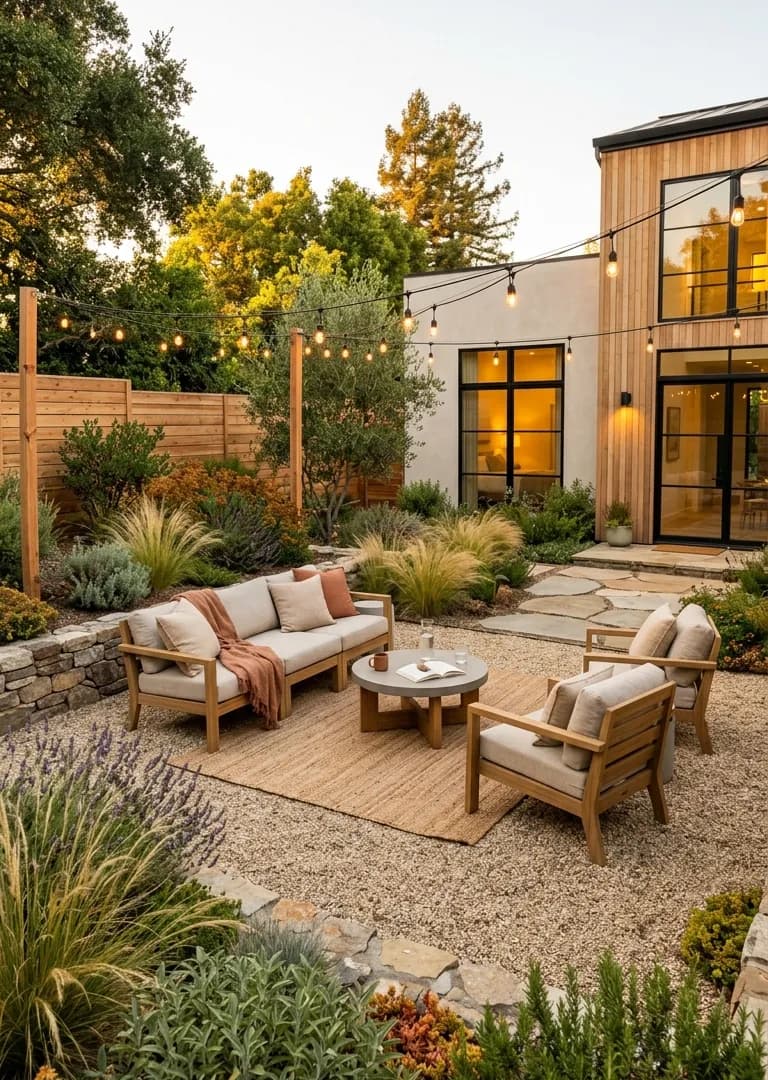
Hardscaping is the absolute secret weapon for any beginner looking to minimize lawn care. By replacing thirsty, demanding grass with solid, inactive surfaces like gravel, pavers, or natural stone, you instantly reduce the amount of mowing, watering, and fertilizing required. It is one of the most impactful hardscaping ideas for backyard transformations you can execute.
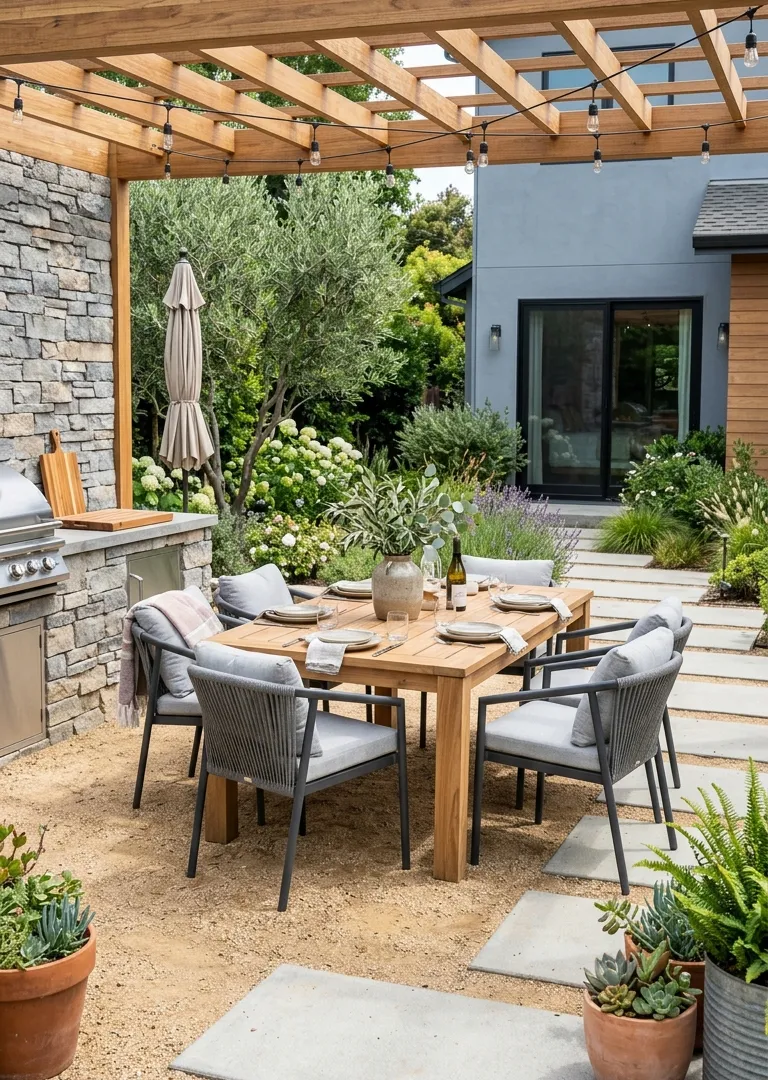
You can design an expansive patio area that serves as a sturdy foundation for outdoor dining or lounging. Gravel and decomposed granite are particularly excellent choices for first-time buyers because they are highly inexpensive, permeable for good drainage, and incredibly easy to install over a single weekend. This approach not only saves time but also provides a sleek, modern aesthetic that elevates your entire property's look.
Benefits:
- Drastically reduces watering and weekly mowing time.
- Provides a stable, clean surface for heavy patio furniture and grills.
- Highly durable, weather-resistant, and won't die during a drought.
- Cost-effective solution for covering large, empty backyard spaces.
How to apply: Start by mapping out your desired seating area with spray paint. Dig out and remove the top layer of grass, lay down a heavy-duty weed barrier landscape fabric, and spread a thick layer (about 2-3 inches) of pea gravel or crushed stone.
Idea 2: Plant a Drought Tolerant Landscaping Haven
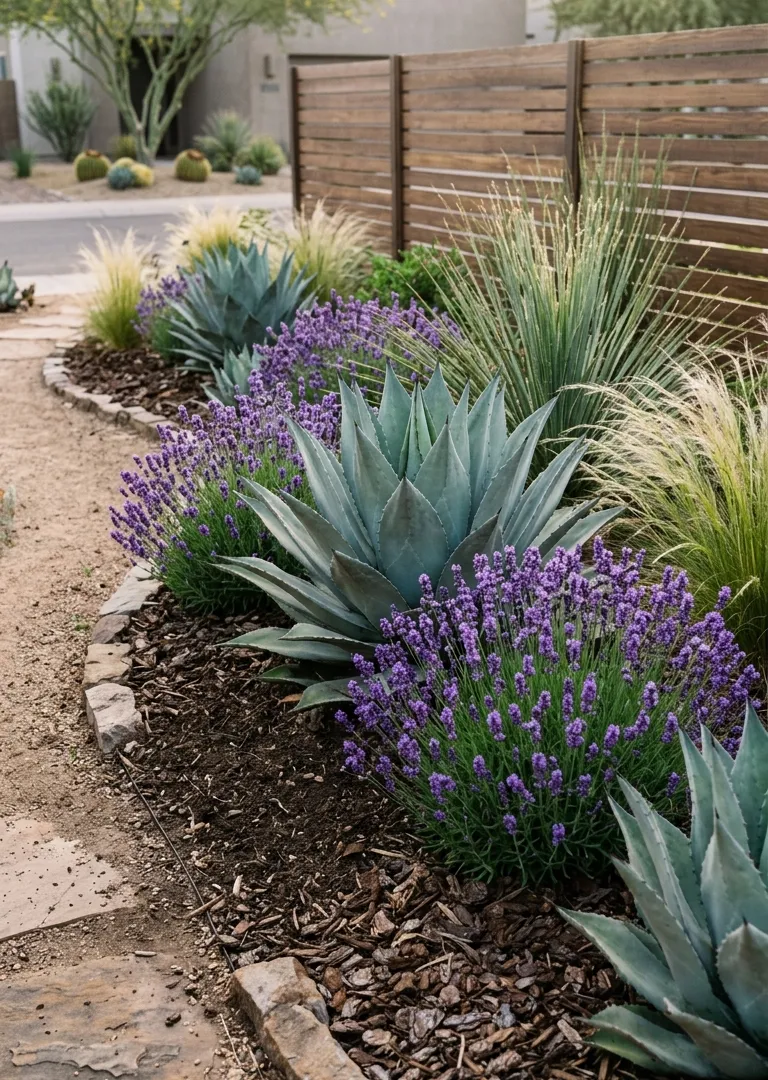
If you want lush greenery without the constant need to run the sprinkler system, drought tolerant landscaping (often referred to as xeriscaping) is your best friend. This approach focuses entirely on selecting plants that naturally thrive with very little supplemental water. By incorporating succulents, lavender, ornamental grasses, and agave, your garden will look vibrant and highly textured all year round.
Furthermore, opting for native plant landscaping ensures that the flora you choose is already perfectly adapted to your local climate, soil conditions, and rainfall patterns, making them incredibly resilient. Native plants naturally resist local pests and diseases. This means you can finally say goodbye to complicated chemical treatments, expensive fertilizers, and the stress of keeping delicate exotic plants alive.
Benefits:
- Significantly lowers your monthly water bill and conserves resources.
- Requires minimal pruning, fertilizing, and winterizing.
- Attracts beautiful local pollinators like butterflies, hummingbirds, and bees.
- Survives harsh summer heat and dry spells with absolute ease.
How to apply: Research native plants specific to your region's hardiness zone. Group plants with similar water and sunlight needs together in designated garden beds. Top the bare soil around the plants with a thick layer of organic mulch to retain moisture.
Idea 3: Define Spaces with Clean Garden Edging Ideas
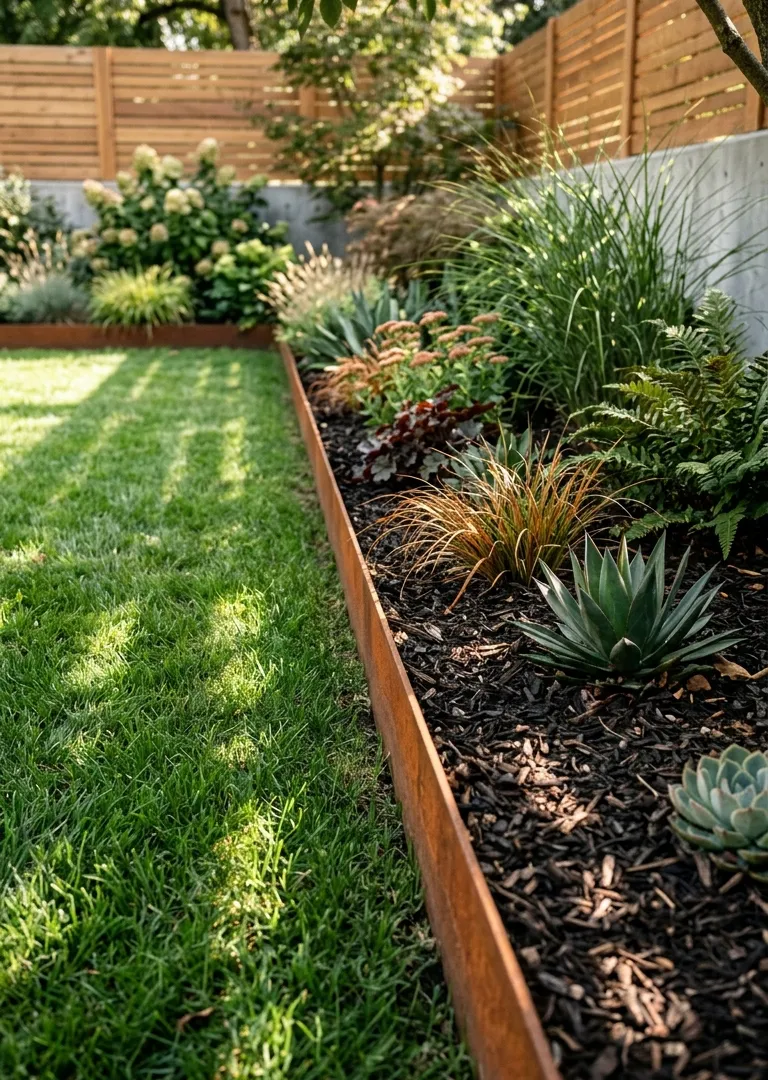
A neat, organized yard automatically looks professionally designed and is significantly easier to maintain. Implementing smart garden edging ideas creates a distinct, physical barrier between your lawn, pathways, and flower beds. This simple addition prevents grass from creeping into your mulch and stops mulch from spilling out onto your walkways after a heavy rain.
Especially for a small backyard landscape design, crisp borders can make the outdoor space feel much larger, structured, and intentional. You can utilize materials like corten steel, poured concrete, or natural stone blocks. Corten steel, in particular, offers a sleek, modern rusted look that blends beautifully with natural surroundings while requiring absolutely zero upkeep once it is installed in the ground.
Benefits:
- Keeps mulch, gravel, and garden soil neatly contained in their zones.
- Prevents aggressive grass roots from invading your delicate flower beds.
- Gives the entire yard a polished, high-end, and finished look instantly.
- Greatly reduces the time spent manually trimming borders with a weed whacker.
How to apply: Use a spade to dig a narrow, shallow trench along the perimeter of your garden beds. Insert your chosen edging material—like metal strips or stone—ensuring it sits a few inches above the soil line, and tamp the dirt firmly around it.
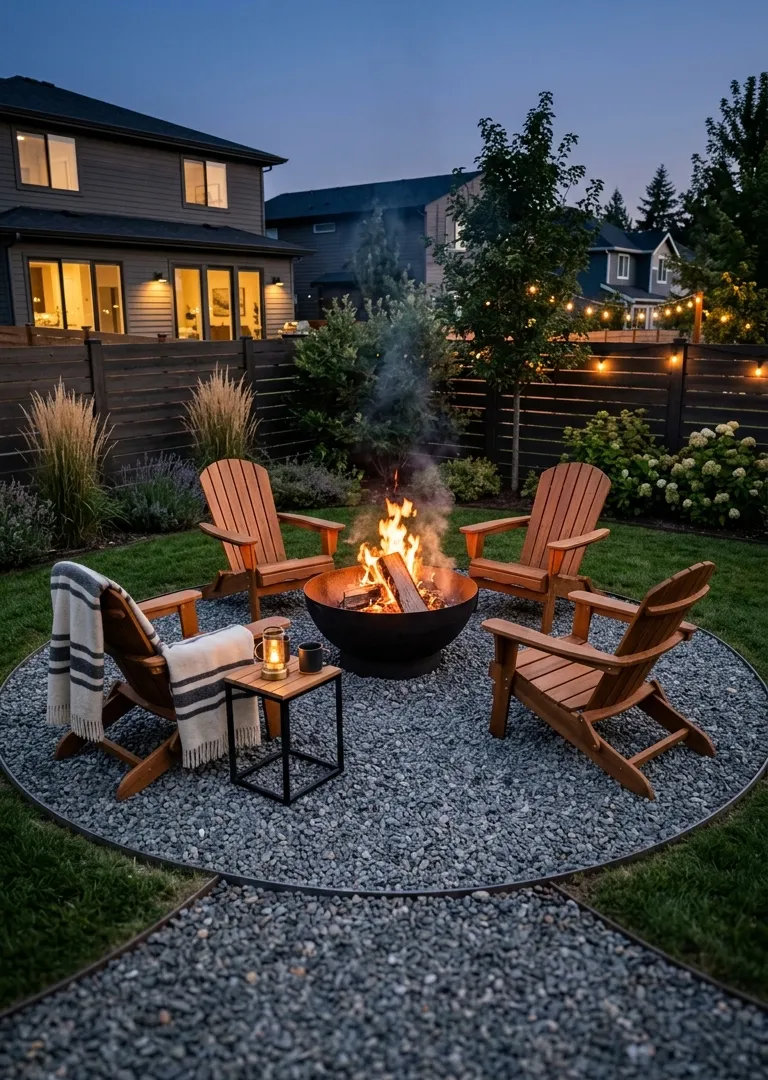
Idea 4: Build a Cozy, Simple Fire Pit Zone
Creating a dedicated, distinct destination in your yard is a brilliant way to utilize space without adding any extra maintenance. A simple fire pit zone acts as a natural gathering spot and a stunning visual focal point for your property. It is widely considered one of the most rewarding diy landscaping ideas on a budget that any new homeowner can easily tackle over a weekend.
Instead of building a complex, expensive masonry fireplace, a circular gravel pad with a pre-made steel fire pit and some comfortable Adirondack chairs is all you really need. This strategic setup eliminates a large chunk of high-maintenance grass, replacing it with a functional, weed-free entertainment area. It beautifully extends the usability of your backyard well into the cooler autumn and winter months.
Benefits:
- Adds immediate aesthetic value and practical functionality to your property.
- Provides an incredibly inviting ambiance for entertaining friends and family.
- Replaces high-maintenance lawn with a zero-maintenance, durable footprint.
- Highly budget-friendly to assemble using readily available materials.
How to apply: Choose a flat, safe area in your yard. Dig out a shallow circular pit, lay down landscaping fabric, and fill the space with crushed rock. Place a heavy-duty portable fire pit directly in the center and arrange seating evenly around it.
Idea 5: Swap Grass for Clover or Artificial Turf
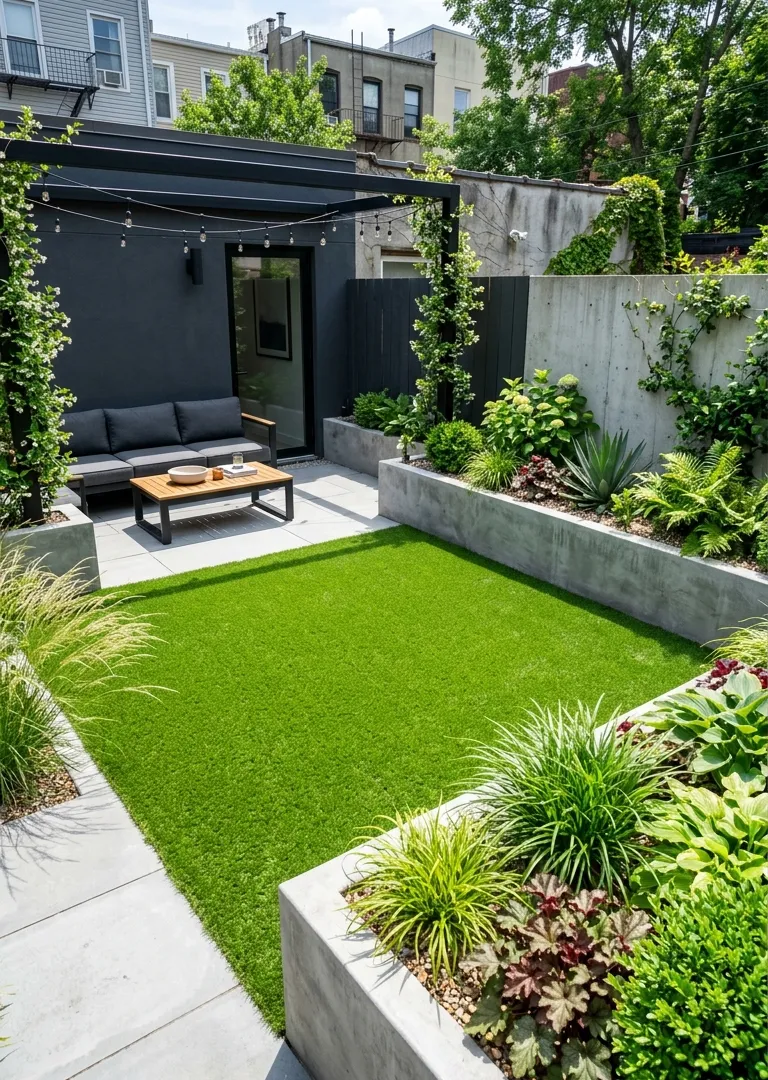
Traditional turf grass is notoriously high-maintenance, demanding weekly mowing, edging, deep watering, and seasonal feeding. For first-time homeowners who desperately want the look of a green lawn without the exhausting chore list, considering smart alternatives is an absolute game-changer for your weekends.
Micro-clover is a fantastic, highly eco-friendly option; it stays green longer, requires very minimal mowing, and naturally fixes nitrogen in the soil to feed itself. Alternatively, high-quality artificial turf has come a long way in recent years. Modern synthetic grass looks remarkably realistic and provides a vibrant, lush, green carpet all year round. Both of these brilliant options drastically cut down your weekend yard chores.
Benefits:
- Eliminates the constant need for loud lawnmowers and heavy weed whackers.
- Stays perfectly green and lush regardless of the changing seasons or strict water bans.
- Drastically reduces your household water consumption and chemical usage.
- Highly pet-friendly, durable against heavy foot traffic, and mud-free.
How to apply: If choosing micro-clover, simply over-seed your existing struggling lawn in the early spring. For artificial turf, it is highly recommended to hire professionals for the base preparation (crushed rock and sand) and installation to ensure proper drainage.
Idea 6: Design a Zen-Inspired Rock Garden
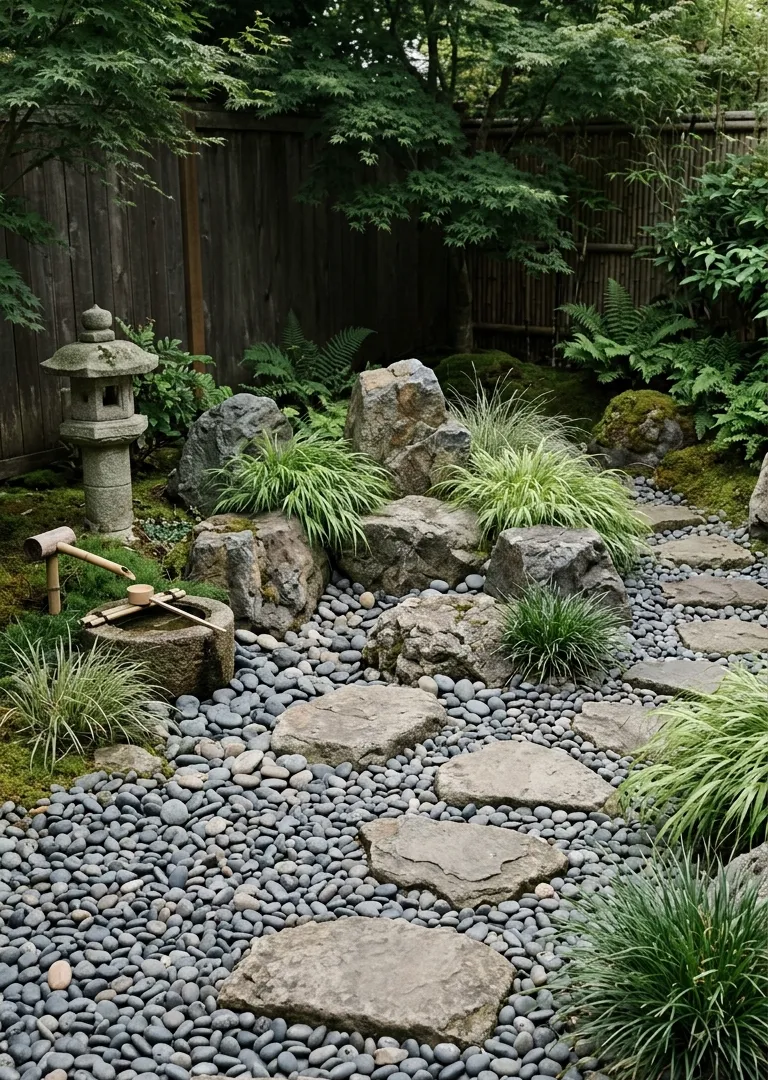
Rock gardens are a magnificent, ultra-low-effort landscaping solution that brings a profound sense of tranquility and architecture to your property. By deliberately combining stones, river rocks, and boulders of various sizes, you create stunning visual interest and texture without the need for constant watering, pruning, or feeding. It is an excellent way to fill awkward, hard-to-mow corners of your yard.
Because stones do not die, wilt, or require seasonal replacement, a rock garden is a permanent feature that gets better with age. You can intersperse a few tough, low-water alpine plants or ornamental grasses between the boulders to soften the hard edges. This combination creates a striking, modern aesthetic that remains flawless throughout every season with virtually zero intervention on your part.
Benefits:
- Requires absolutely zero watering, making it highly sustainable.
- Immune to local pests, soil diseases, and extreme weather fluctuations.
- Effectively prevents soil erosion on sloped areas of your property.
- Provides a permanent, indestructible design feature for your yard.
How to apply: Clear the designated area of all weeds and topsoil. Lay down a high-quality, heavy-duty weed barrier fabric. Arrange your largest focal boulders first, then fill in the surrounding empty spaces with a thick layer of river rocks or decorative gravel.
Idea 7: Plant Evergreen and Perennial Shrubs
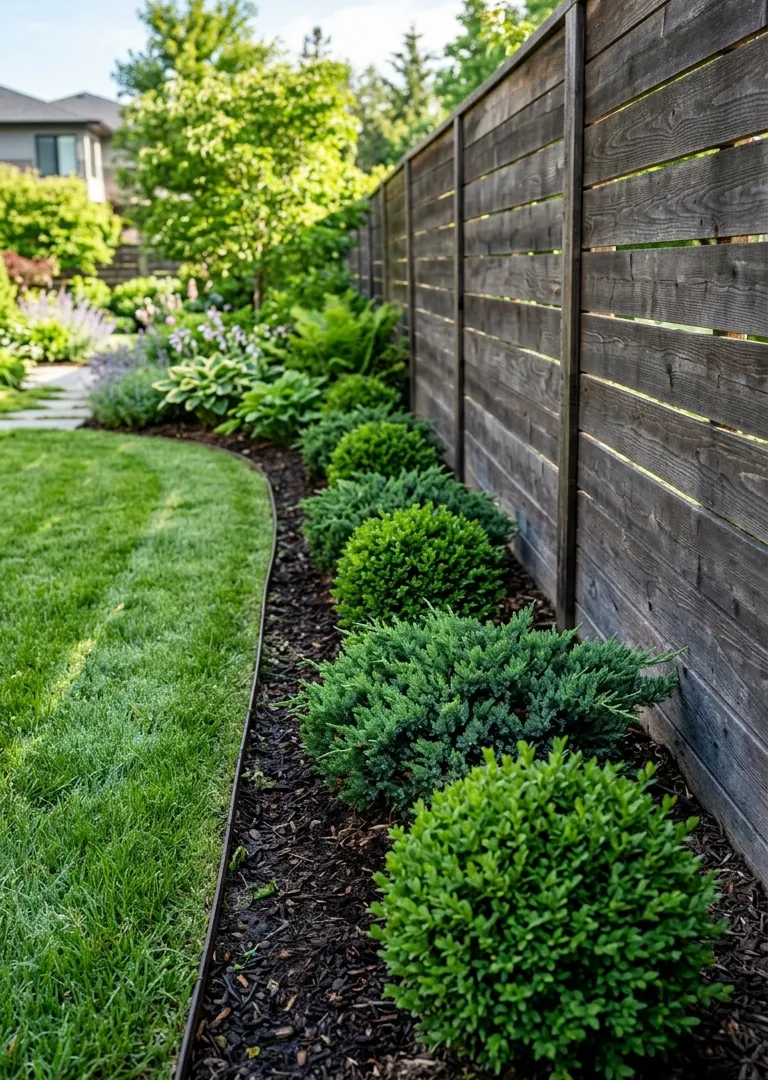
Ditch the demanding, fragile annual flowers that need to be expensively replanted every single spring. Instead, anchor your new landscape with sturdy, reliable evergreen and perennial shrubs. These robust plants provide year-round color, architectural structure, and even privacy from neighbors with only a fraction of the ongoing effort required by traditional flower beds.
Evergreens, such as boxwoods or dwarf junipers, maintain their vibrant foliage through the dead of winter, ensuring your yard never looks barren or sad. Perennials die back in the winter but magically return every spring, larger and healthier than before. By relying heavily on these foundational plants, you create a garden that essentially manages its own life cycle, saving you immense time and money.
Benefits:
- Provides beautiful year-round greenery, even during the cold winter months.
- Eliminates the recurring annual costs of buying new spring flowers.
- Requires only simple, occasional pruning once or twice a year to maintain shape.
- Excellent for creating natural privacy screens and hiding ugly fences.
How to apply: Dig a hole twice as wide as the root ball of your shrub. Place the plant in so the top of the root ball is level with the surrounding soil. Backfill with dirt, press down firmly to remove air pockets, and water deeply.
Idea 8: Utilize Potted Plants for Flexible Container Gardens
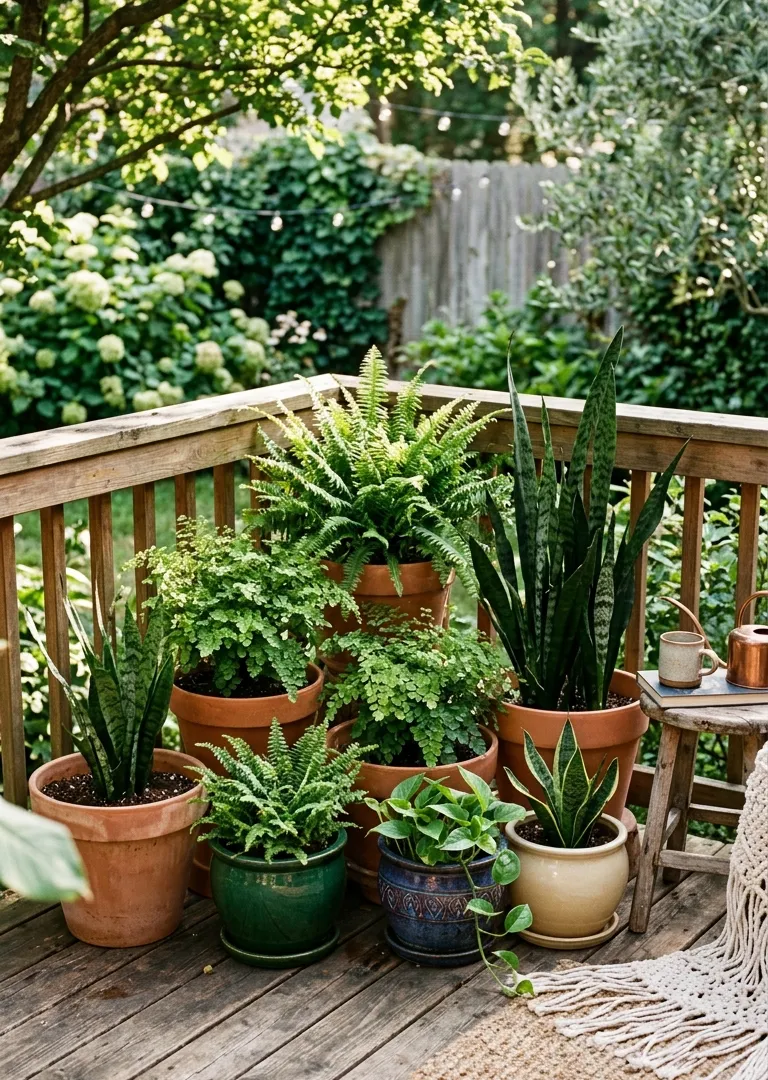
If you are intimidated by digging up your yard or dealing with poor soil quality, container gardening is a fantastic, foolproof gateway into landscaping. Grouping beautifully potted plants on a patio, deck, or porch adds instant lushness, height, and vibrant color without requiring you to commit to digging permanent, in-ground garden beds.
Container gardening allows you absolute control over the soil environment, making it incredibly easy to grow healthy plants. It is also the perfect solution for incorporating aggressive spreaders (like mint or bamboo) that would otherwise take over a traditional yard. Best of all, if a plant isn't thriving, or if you simply want to change your layout for a party, you can just physically move the pots around!
Benefits:
- Highly portable, allowing you to easily rearrange your space whenever you want.
- Perfect for controlling invasive plants and managing specific soil needs.
- Easy to swap out seasonal colors without back-breaking digging.
- Ideal for adding life to hardscaped areas like concrete patios or wooden decks.
How to apply: Choose high-quality, weather-resistant pots with adequate drainage holes at the bottom. Use a premium potting mix rather than heavy garden soil. Group plants with similar sunlight and watering requirements together in the same or adjacent containers.
Idea 9: Automate with Smart Outdoor Lighting
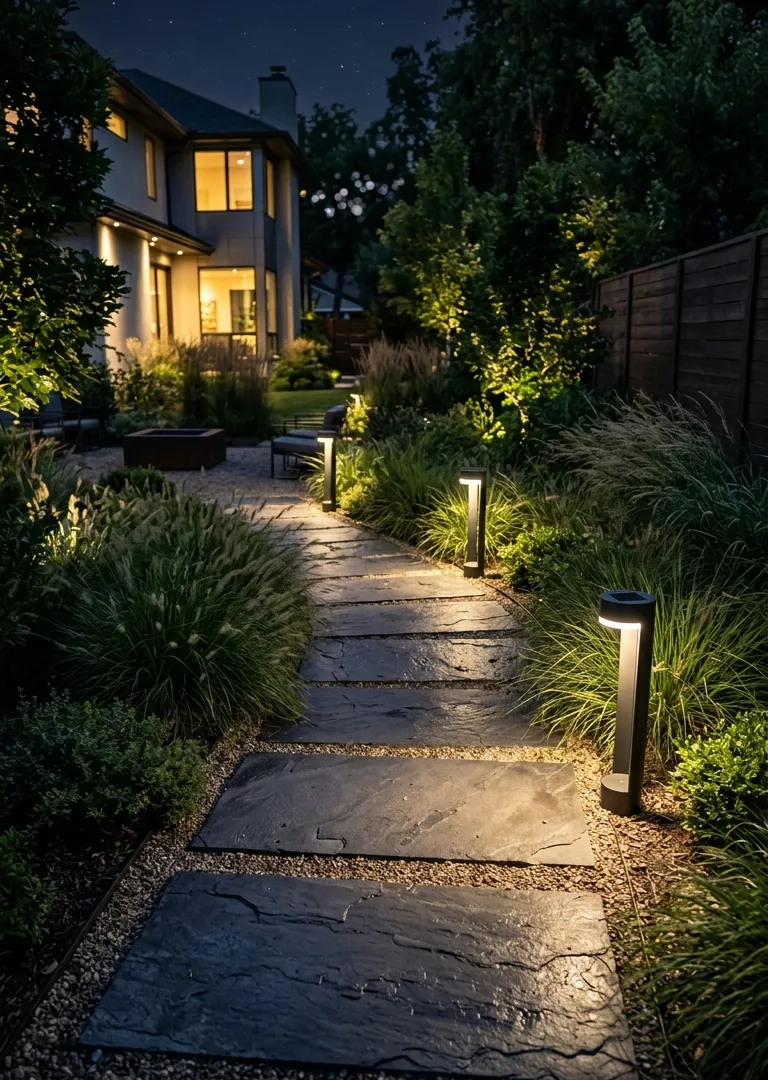
A truly low-maintenance yard should look spectacular both day and night without you ever having to flip a manual switch. Installing smart or solar-powered outdoor lighting enhances safety, dramatically highlights your new landscaping features, and extends your outdoor living time long after the sun goes down. It is the ultimate hands-off finishing touch.
Solar pathway lights require absolutely no electrical wiring, making them incredibly easy for beginners to install in minutes. For a more robust setup, low-voltage LED smart lighting systems can be controlled via an app on your phone and set to automatic dusk-to-dawn schedules. Once they are installed and programmed, you never have to think about them again.
Benefits:
- Zero dangerous or complicated electrical wiring required for solar options.
- Operates on completely automatic dusk-to-dawn schedules.
- Adds significant evening curb appeal and depth to your property.
- Enhances nighttime safety around pathways, stairs, and uneven terrain.
How to apply: Stake simple solar path lights directly into the soil along walkways and garden beds. Use small solar spotlights angled upward to dramatically highlight architectural features, large trees, or your new garden edging. Ensure solar panels receive direct daylight.
Expert Insights & Maintenance Tips for Beginners
Even the most low-maintenance backyards require a little bit of seasonal attention to keep them looking their absolute best. Here are a few expert tips to ensure your new landscaping remains a completely stress-free zone year-round:
- Invest in a Smart Irrigation System: If you must water plants, install a simple drip irrigation system connected to a smart hose timer. It delivers water directly to the roots, preventing wasteful runoff and saving you from standing outside every evening with a heavy hose.
- Mulch is Magic: Never leave bare soil exposed in your garden beds. A thick, 3-inch layer of organic bark mulch regulates soil temperature, retains vital moisture, and physically blocks sunlight from reaching annoying weed seeds.
- Start Small and Scale Up: As a first-time homeowner, do not try to completely landscape the entire backyard in one single weekend. Choose one specific zone—like the patio seating area or a single garden bed—and master that before moving on to the next project.
Conclusion
Transforming your new property into a beautiful, relaxing oasis doesn't require a degree in horticulture, endless hours of manual labor, or a massive budget. By implementing these low maintenance backyard landscaping ideas, you can successfully create an inviting, stylish, and highly functional outdoor space that perfectly accommodates your busy lifestyle. Whether you choose to lay down a gravel fire pit, plant robust evergreen shrubs, or install clean garden edging, every single step brings you closer to your dream yard.
Ready to stop mowing and start actually relaxing? Pick one of these beginner-friendly projects to tackle this weekend, grab your basic tools, and begin crafting the effortless, magnificent backyard retreat you deserve!
About the Author: Elena Vance
Interior design enthusiast and DIY expert. Elena Vance has spent over a decade curating spaces that blend modern aesthetics with everyday functionality. Passionate about helping you create a home that tells your unique story.
